Friday, February 26, 2010

Stuck on a Muddy Plain

Well as adventures go, this one is best told from the comfort of dry land and a chair instead of during the event.

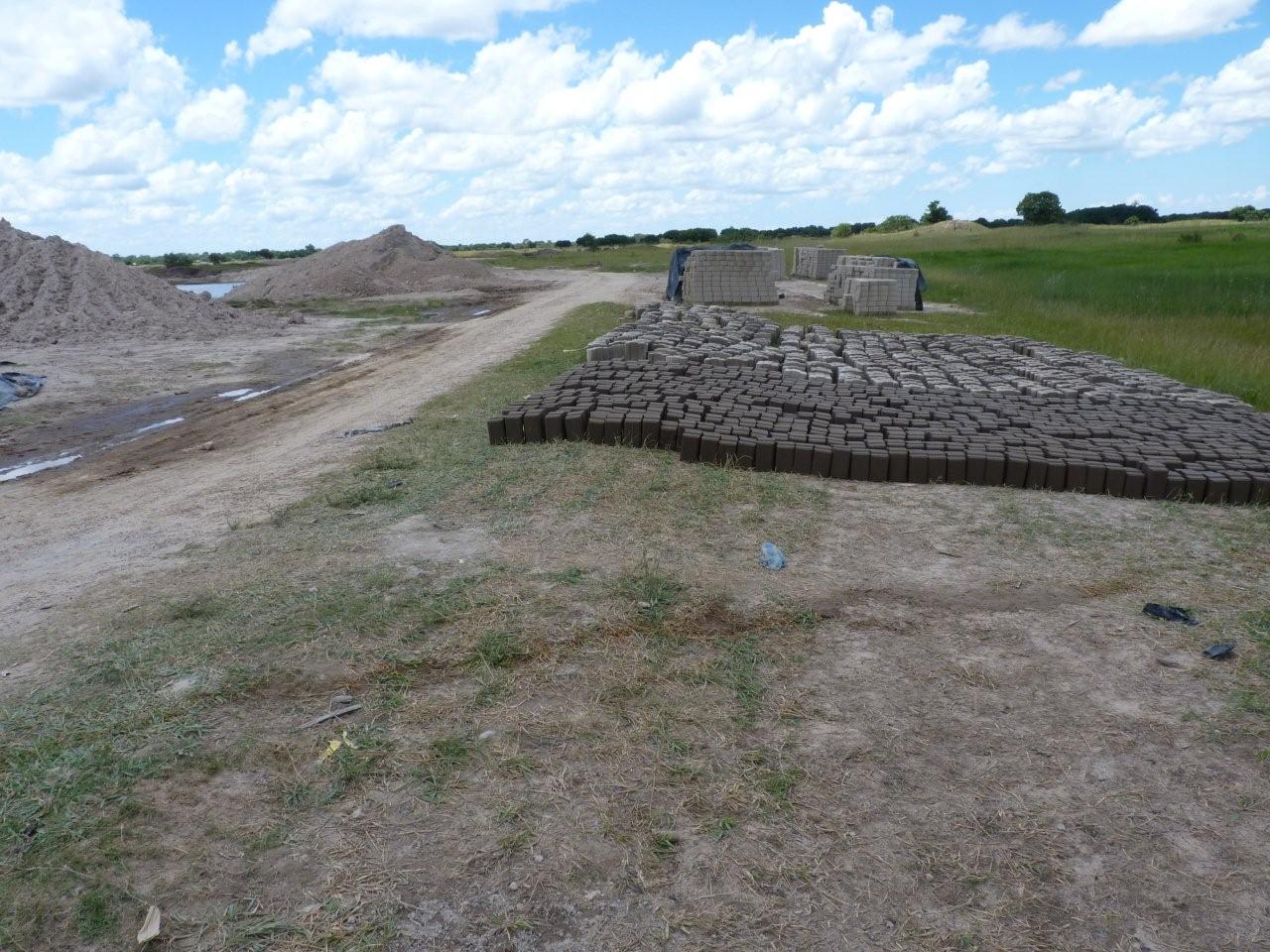
In Mongu, Zambia our office has made loans available to the local people for trade and agriculture. The Zambezi river has created a large (30 mile wide) plain that runs from the north to the south of the province that is perfect for grass and has been used for planting rice since the 70’s. During the rainy season it fills with water from the rain and in very wet years, becomes a flowing mass of water, usually capable of destroying the majority of the rice plants before harvest.
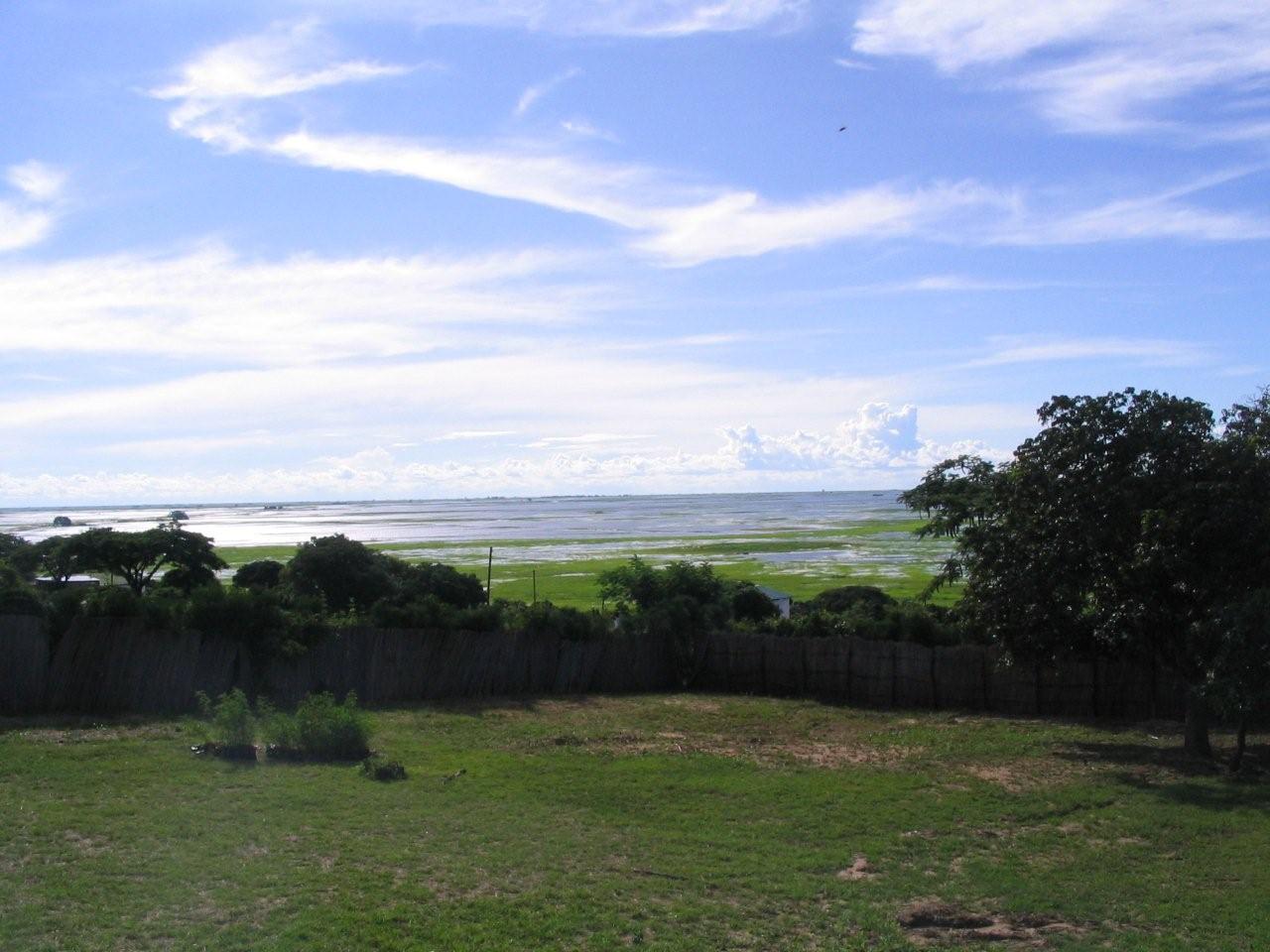
The plain as seen from the office.

We have a client that was determined to plant rice in the plain this year, even though things went badly last year. One of our goals is to visit the places where our funding is invested to see for ourselves that is was properly invested and to give counsel/advice as needed. Now because this plot was so far away from the office and the office staff really did not want to go there, they waited until I came for a visit to make the trip. (Maybe that should have been my first clue.)
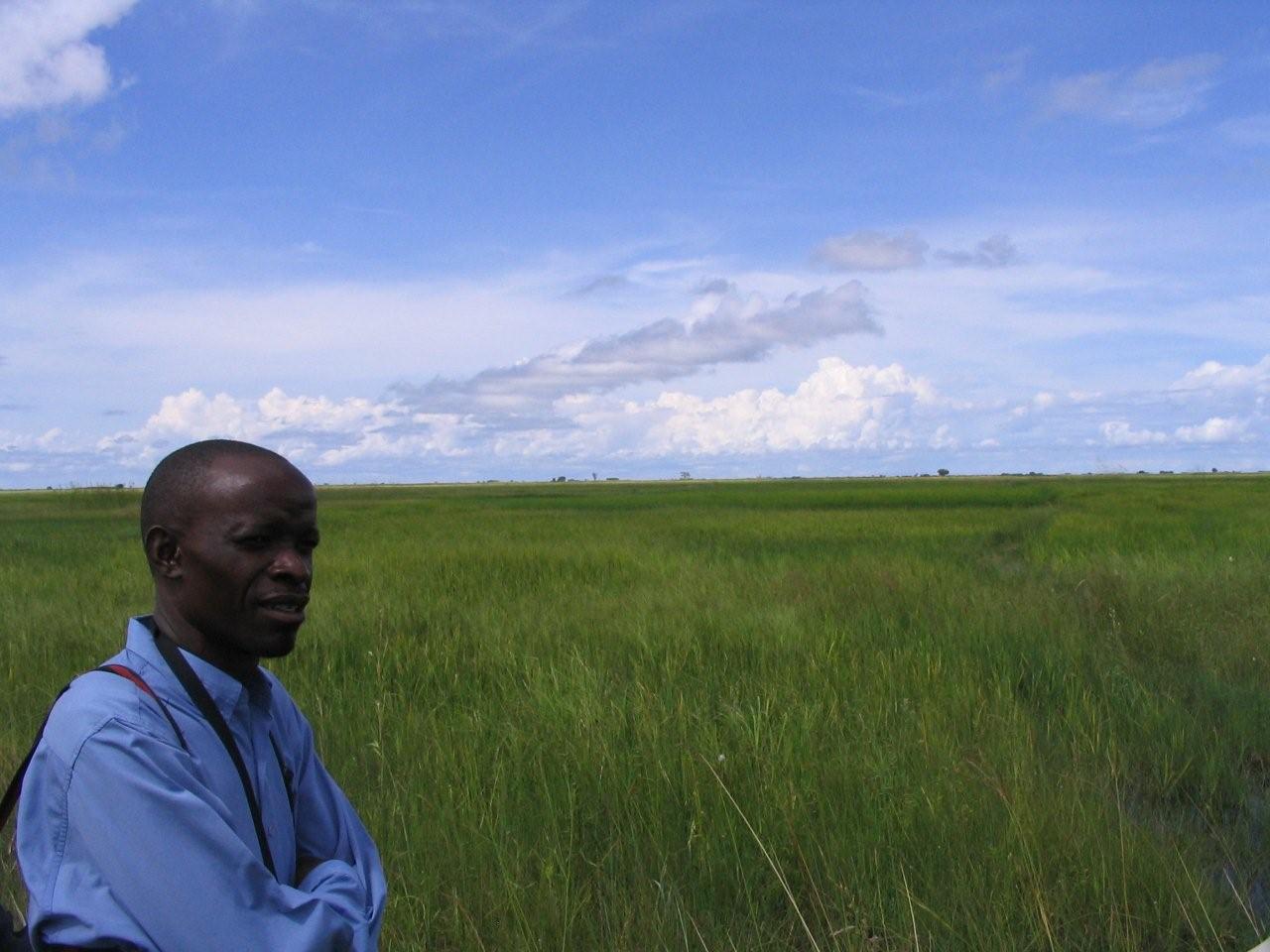
Our AW colleague in the plain.

We took the 4WD land cruiser with some bags (of I was not sure what) in the back and headed out toward the next town. Before leaving Mongu, we stopped and picked up the client from the local internet cafĂ©. As we left, my Zambia colleague said, “There really isn’t enough space in the front for all of us so why don’t you drive?” (That should have been my second clue.) But hey, why not, so we took off.

Shortly after we arrived in the next town, the road ended (mainly because of disrepair) and we followed alongside it on a bed of sand that keeps washing down the hill with every heavy rain. As we arrived at the bottom of the hill, there was a 50 foot wide stream with oxen and cart being led through. “Straight ahead” the client said. (That should have been my third clue.)

On the other side of the stream was a sandy path, that stretched out into the plain. We followed it as it went in and out of flooded areas. Just keep this baby moving I thought to myself and we should be ok. At one point the water was so deep we were pushing water with the grill. But for the most part, the soil under the water seemed to be sandy and not clay. On occasion when I tried to drive out of the path on the grass, the soil provided less traction and seemed to bog us down. (That should have been my fourth clue)

We had been driving for about 40 minutes when the client finally said, “We are almost there. We need to look for a small path just after this clump of bushes.” So as we rounded the bush, I turned right and off the barely visible track. We were headed for a plowed field with some standing water and I could quickly tell we should not have turned at that particular bush. As I turned left to get back to the track, we encountered more water and just a few feet later our momentum began to slow. Because we were only a few feet from the original track I tried to get back to it, but (you guessed it) down went the front right tire into the soft clay soil. (It was 9:30 a.m.)

Now what? My colleague took off his shoes, rolled up his slacks and jumped out into the ankle deep water. He grabbed one of the bags from the truck and started pulling out some dry grass. Stuffing it behind each of the wheels, he said “Now try it”. No, luck the tire just went deeper. I climbed out to the bed of the truck and suggested they get some help to push this thing out. There was an older gentleman who came up and said he would get some men from the village about 2 kilometers back. We waited an hour and he showed up with an axe and 4 women, two were tiny things with babies on their backs. (That was not just a clue, but a big red flag. This was not going to work!)

They chopped some sticks and tried to put them under each wheel. Then we tried to back it out. Before you know it, the front tire was now spinning freely. The car was down on its frame and the only thing that would get us out would be several span of oxen or a tractor. When I told my colleague, he got on the cell phone and between the sentences of Silozi, I heard the English phrase, …”what we feared most”… We were stuck miles from the nearest tractor. Call a tractor I said, and make sure they bring a strong chain. This truck is heavy.

They had located a tractor and now just needed to find fuel. No fuel in the last town, so it could be a while. (It was 10:30 a.m.) In the meantime, we decided to walk to the field which was just 300 meters away through the water. Taking off shoes and socks, then rolling up the pant legs, off we went. We walked along the edge of the field, talked a while, then went back to the truck. (It was 11:30.) We waited an hour, then called. No, the tractor had not left yet. Call someone else. I took a nap. The news at 1 pm was the tractor and office driver were to meet at the fuel station at 2 pm to fuel the tractor. Hmm, by this point I was thinking we might get home by dark.

Sure enough, for the next 4 hours I watched a few birds, (3 raptor species, song birds, egrets and others) and we waited. No drinking water, no food and nowhere to go. Around 4:30 pm my colleague said, “Am I dreaming or do I hear the sound of a tractor?” Sure enough, off in the distance we saw a tractor moving slowly along. As it came closer, we could pick out about 8 people riding on it.

As the tractor turned around and backed up to the truck, they pulled out an old 30 ft piece of 1 inch rope that was frayed, rotten and down to 2 strands in some places. (Another big red flag! No chain? That would be too easy.) Three guys grabbed it, measured out 3 equal lengths and wound it up into a big French braid, then twisted in a ¾ inch nylon rope. Well maybe. At the first pull, the French braid snapped like a wet noodle. Hmm, now we only have about 15 feet of bad rope left. Not to be discouraged, the driver backed up to the truck and they doubled the remaining rope and this time it held and between the tractor, the guys pushing and the truck’s own power, we got to terra firma. (It was 5 p.m.)

Now to get back through the plain and onto high ground. This time I stayed on the track, no matter how deep the water. By 6 we were on tar roads and in the office by 6:30 p.m. From a productive perspective it was a lost day. My take was: I understood the challenges of working in the river flood plain environment a bit better, could sympathize with the challenges of distance and terrain, plus had a few new ideas on how to improve the productivity of the rice and a slight sunburn.

As we covered the last stretch toward home, my colleague said, “Now you know why I don’t like driving in the plain. Give me sandy soil any day, but when you can’t see what is under the water, I let someone else drive.” Really the driving was not so bad, it was the advice to “turn here”. Sitting there in the middle of nowhere, there was no one to be mad at. I was only reminded of the young wife who had gotten pregnant before she wanted to and when asked if the baby was planned said, “I got some bad advice and I took it. Not much we can do about it now.”

Monday, February 15, 2010

Zambia

We’ve made it to Zambia in fine shape. Our flights were fine and we spent the night in Lusaka. The next morning I thought we were just taking a short ride to the bus station but it ended up being ½ hr through lots of traffic. Lusaka’s roads need to be widened to accommodate all the new cars and people streaming in to find jobs and opportunities. Apparently everyone wants to be in Lusaka and once there, everyone needs to go to the “city centre” which is where all the offices and shopping centers are found. I guess that’s the British way of doing things with residential areas outside of the city. It feels very different than Maputo – no sea for one thing, and it feels like an oversized town. The market place looks like a shanty town with lean-to’s covered in plastic and muddy roads in between. Garbage is everywhere, but of course parts of Maputo are not much different on that count. It just feels much less cosmopolitan. Perhaps I shouldn’t be comparing the two, but they are very different. I think when tourists come to Zambia they go to Victoria Falls or the game parks.

We were on the bus from 8:30 a.m. until almost 5 p.m. It’s a long ways to Western Province. It is a Christian bus company and they had Christian music playing the whole time. Most of it was African style and languages but every now and then I would pick out Yahweh or Yesu Christo. I guess they used to have a preacher also that would speak for awhile before leaving, but they skipped him this time.

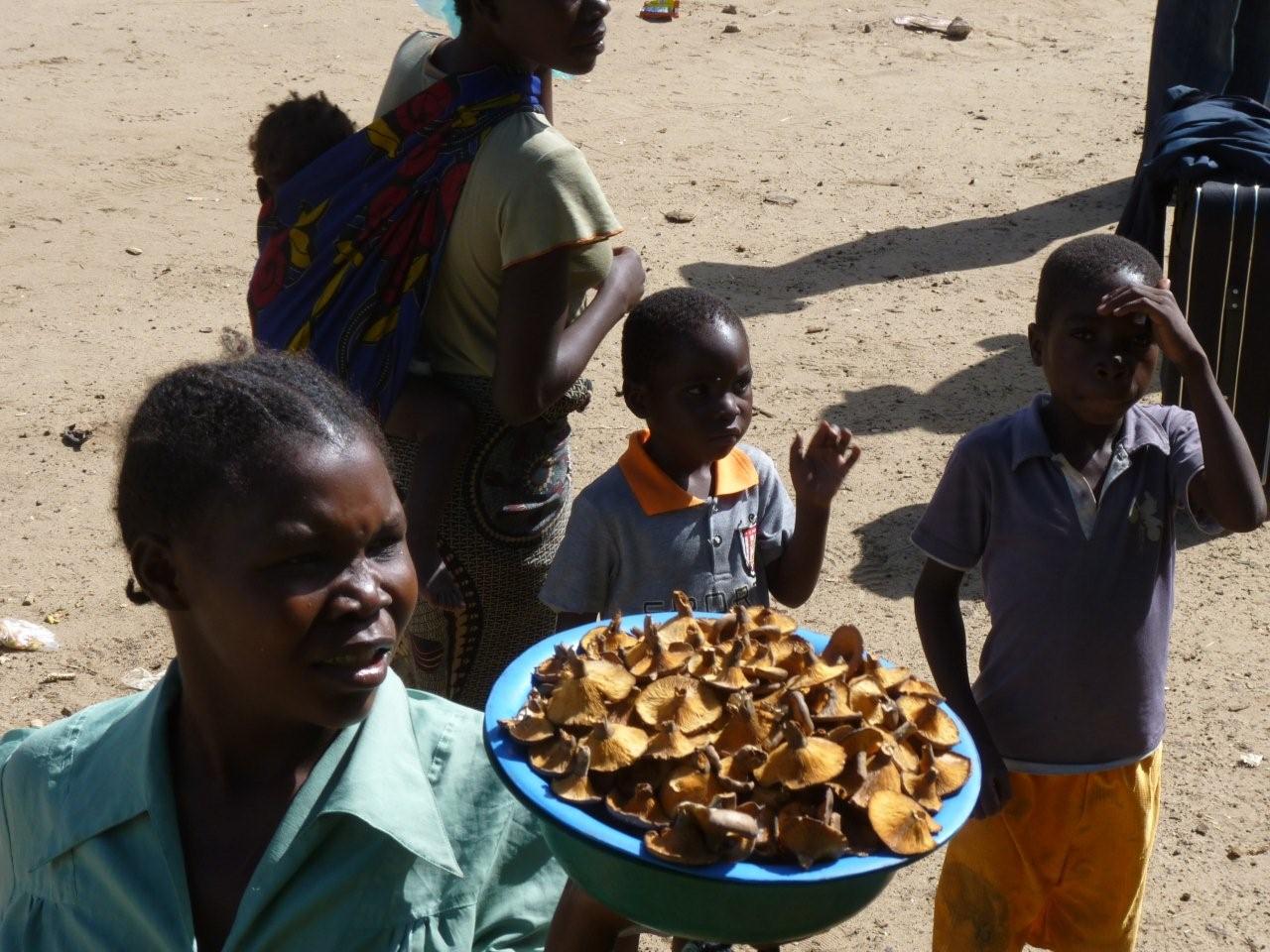
Seen along the way. Does anyone know what kind of mushrooms these are?


The program director picked us up, took us to our hotel and out to eat. We’re realizing that restaurant food for 18 days probably won’t work. Besides the costs that are going up, there are few fruits and many times the greens are quite salty and oily. They mostly major on meat and nshima or rice. A typical breakfast consists of eggs fried in lots of oil, white sliced bread, tomatoes, baked beans, sausage/bacon, sweet juice similar to kool-aid. We’re planning to make muesli for breakfast in our room and go with that.

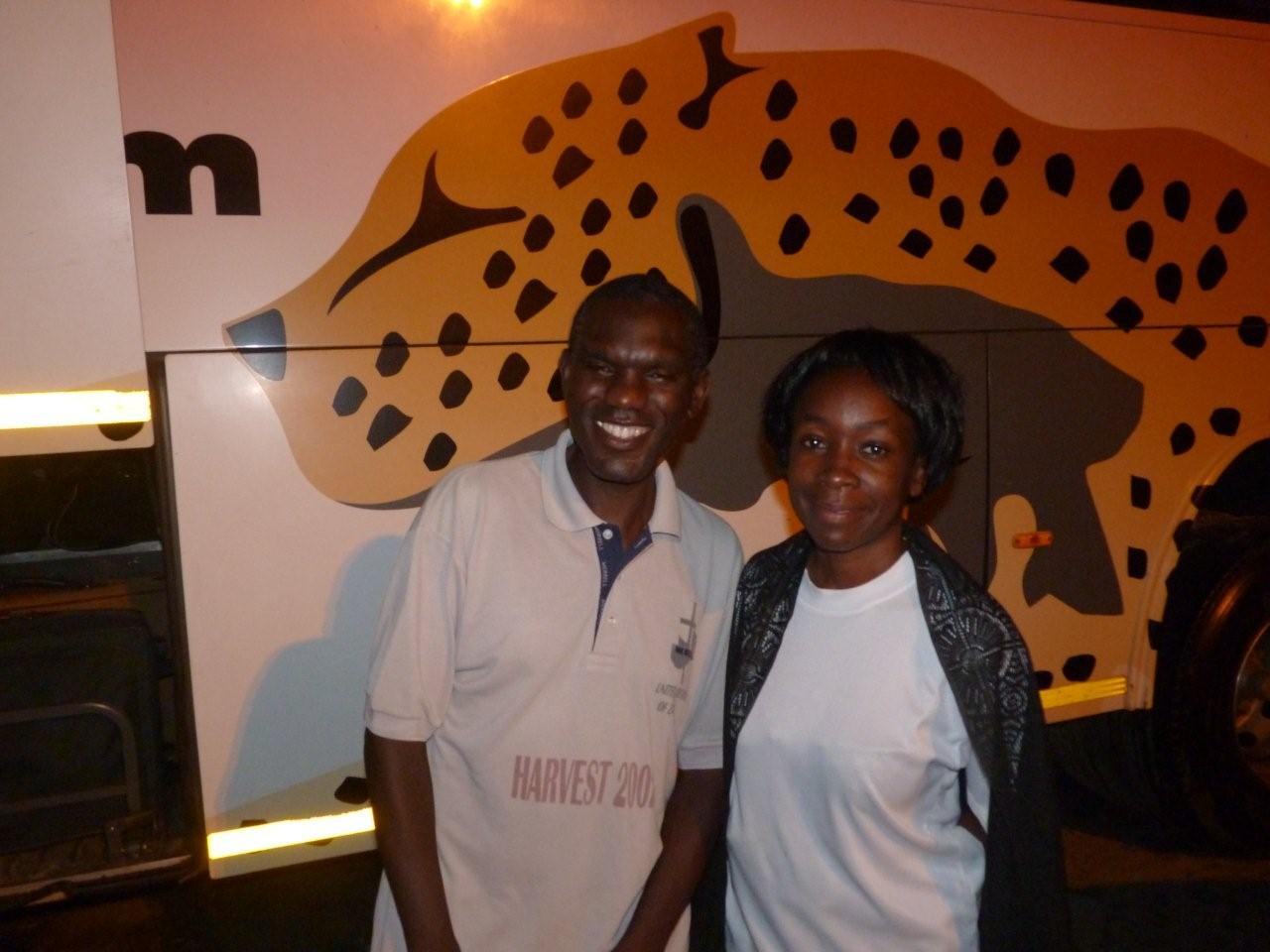
The director and his wife in front of our bus. We enjoyed meals and fellowship with them many times.


Steve is here for his quarterly visit to the program he helped start and supervises. While we're here we will also do two "The Question" seminars plus one Level 1 Seminar for Ancient Paths. We finished the first one last weekend and it was well received. For those of you who are wondering, the questions are basically "Who am I?" and "Why am I here?" We will also do a LifeWinds training for three days on grassroots community development and CHE (Community Health Evangelism). In between we're doing our regular work and absorbing Zambian culture. Many things are similar to Mozambique but some are different. The greeting is a hand clap, handshake accompanied by a slight bend at the knees and then another hand clap. I'm also getting used to being called "Madam." Many people here speak English but sometimes we have trouble understanding each other's accents. Many people only speak Losi, the local language.

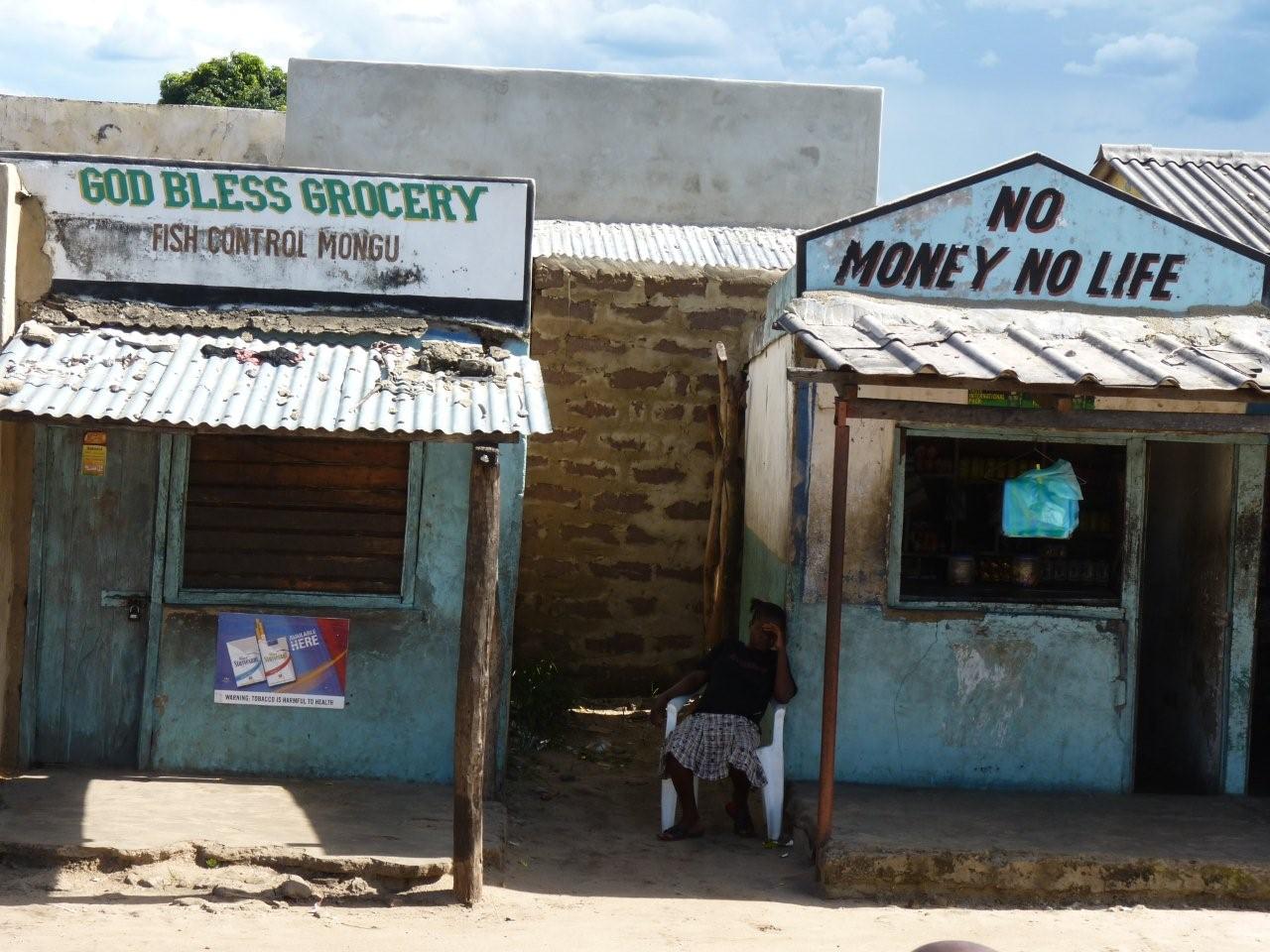
Today we took a tour of some of the projects. One man has a house with laying hens and he has done very well with them. My quotable quote of the day came from him: "Poverty is not a lack of money, it is a lack of dreams." So true and he articulated it well.

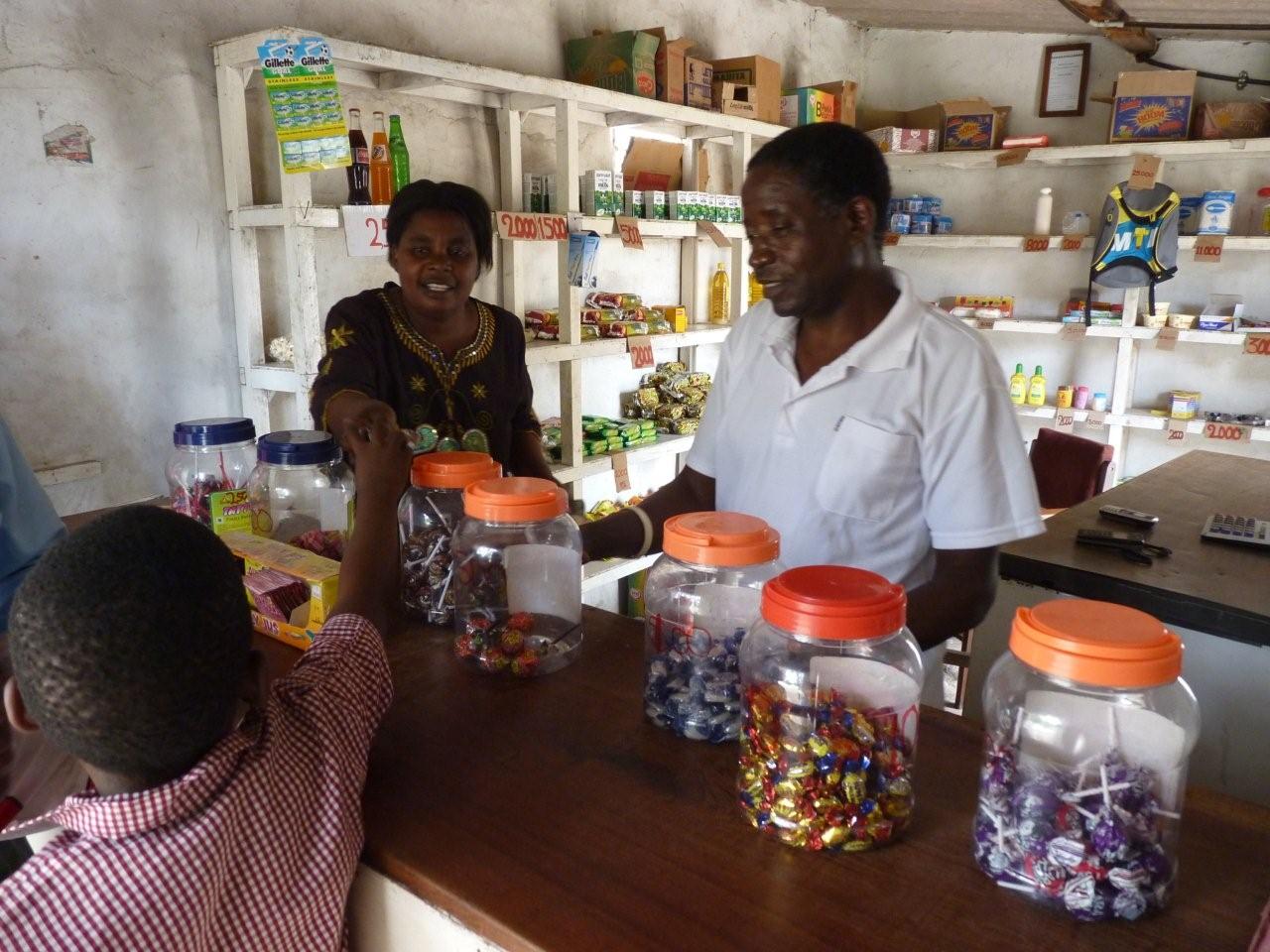
During the day he runs a small shop. Reminded me of the candy store I used to frequent as a child.

Another phrase I've heard is "I can be broke but not be poor" if you're temporarily out of money but have vision and dreams/plans of ways to get some. Poverty is just as much a mindset as it is a lack of resources. We are trying to change this mindset by the trainings we do and the way we set up programs. Giving handouts does not change the mentality, we must provide ways to earn money with dignity and we must teach them to dream (with a business plan attached to the dream.

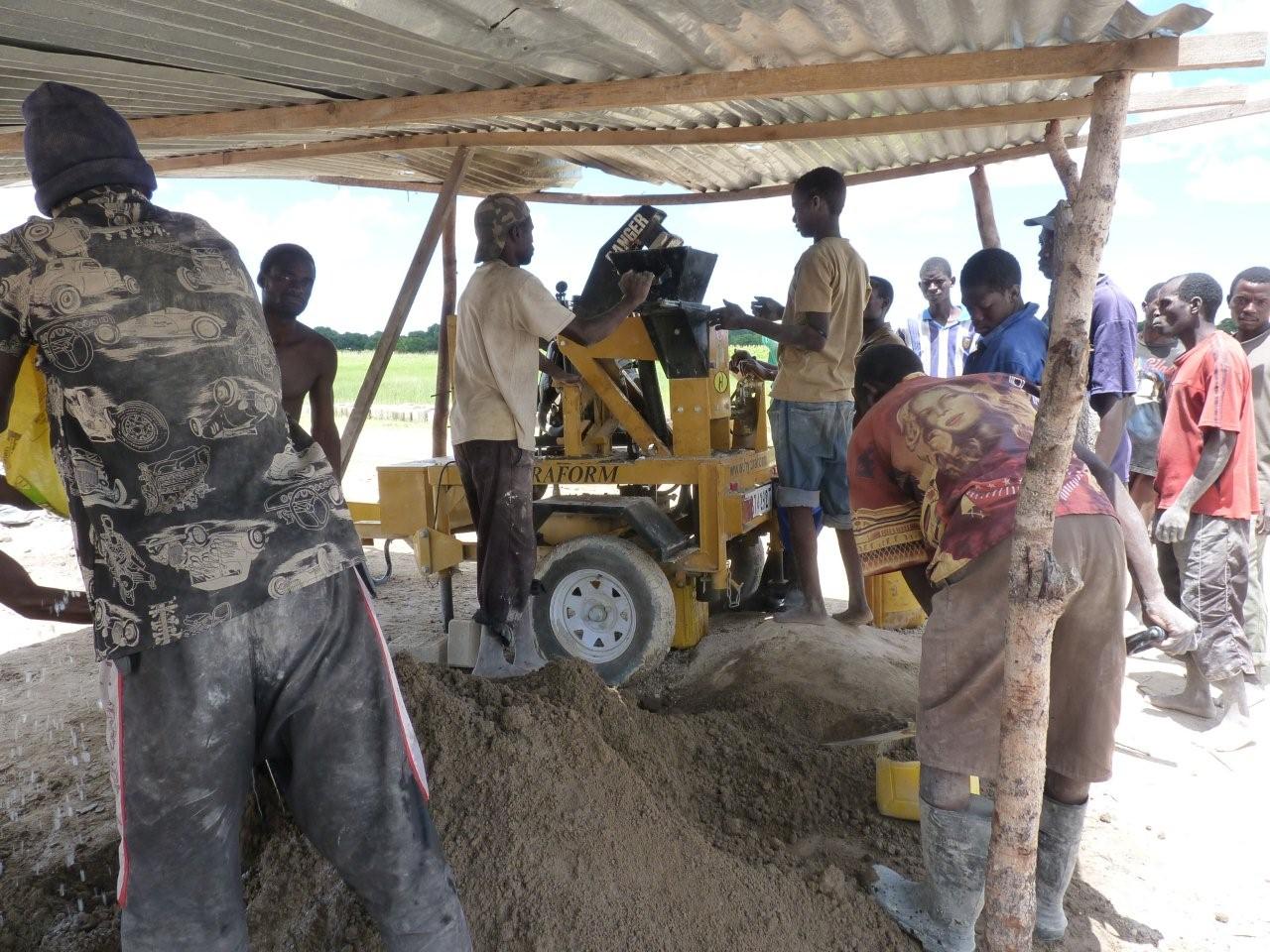
This community is adding on to their school. They are making bricks with a Hydroform machine.


They have a good start but there is a ways to go. I suppose that's a good way to say it for many of the projects - the microfinance, jatropha trees, irrigated agriculture, feed mill, poultry project and the rest. There are many challenges, but we have made a good start and are all learning a lot along the way.

Thursday, January 28, 2010

Maputo Roads

Many times when you go to a developing country you expect to find bad roads. Most place you won’t be disappointed. We recently heard of a South African family who brought their parents to visit. When they hit a particularly bad stretch of road, the granddad said, “You know the map says there is a national highway that cuts through about here. Why don’t we try to get on that?” The hosts replied, “This is the national highway. This is as good as it gets!”

Within the city of Maputo, there used to be a joke during the civil war era (that lasted 17 years) that went, “How do you tell a drunk driver in Maputo?” The answer was, “He drives in a straight line.” For those of you who have not been in Maputo and experienced some of the roads, this was funny because some of the streets have potholes big enough to lose a car. You have to swerve to keep your car from being destroyed.
A second problem and more of a challenge is the growing number of cars in Maputo. One person told me that in 1987 during the height of the shortages during the war, they walked the streets for 4 hours and only saw 2 cars operating. Today is a different story with tens if not 100’s of thousands of cars streaming into Maputo daily and streets parked so full that often you can only get one car through (especially if there is one car parked badly or double parked and there often is).

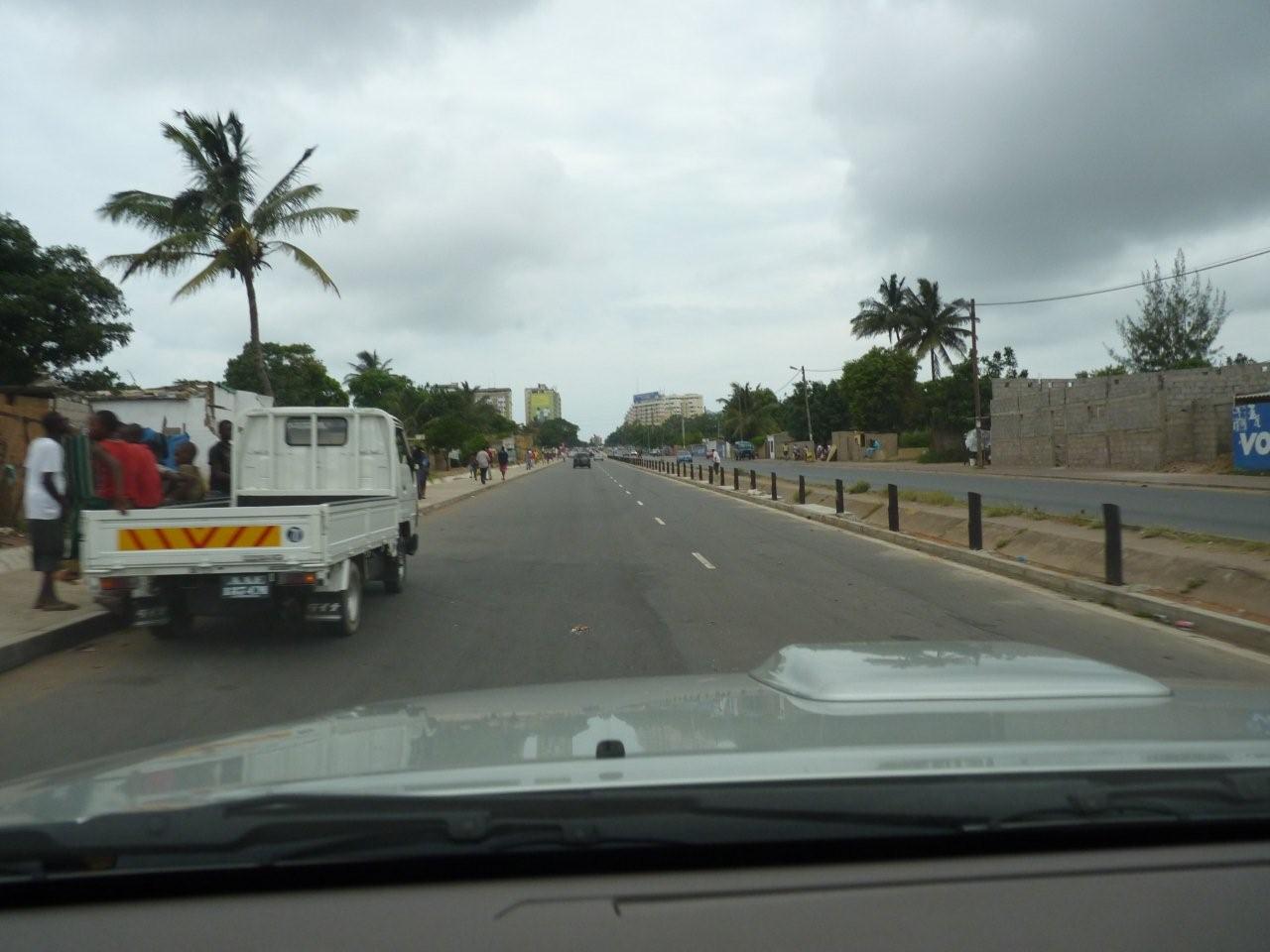
In the last year we have seen a glimmer of hope. One of the most crowded streets that had a space designed for putting in a four lane road was suddenly showing signs of being worked on. We looked on in amazement as they began pulling down illegally built shacks and houses that had been build in the right of way. The work progressed slowly to the extent that even after the national elections (now you know what really initiated the project) the road was not finished. Some black top was in place, but many of the details for making the road usable and safe were missing.

When we left town after Christmas to escape the city for a few days, we wondered aloud how long it might still take to finish the job. Probably another couple of months we thought. Surprise, surprise, when we returned 5 days later, the new section of road was open! Is used to take 10-20 minutes to navigate this section of road during the day, sometimes it seemed longer. Engines idling, people driving dangerously to jump the line and constant risk in the intersection with little obedience for the light timing. Now you can get through in one or two light cycles. Amazing. Never mind they are not quite done with the details and there are still workers risking their lives trying to finish the job.


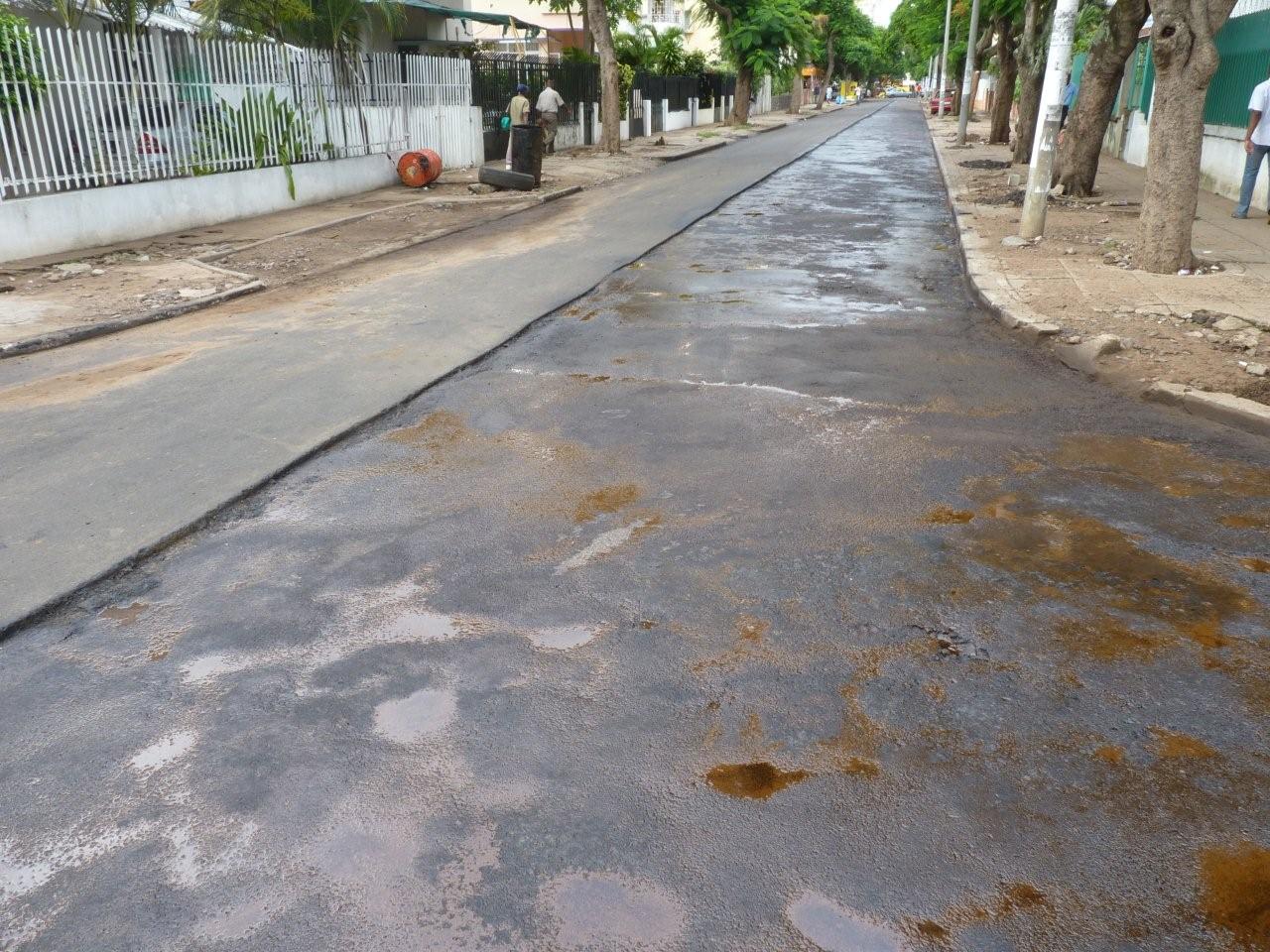
A second miracle is the side streets. On the whole, you still drive straight on these. One day, they blocked off the street near our house and started filling in the holes. I tended to avoid this street if jogging because it was so bad I needed to run on the sidewalk or risk twisting an ankle. (But the sidewalk was not much better.) When done, there was more new asphalt than old in spots, so you know it needed repair.


I was joking with someone who has lived here for twenty years and he said, Hey, this is the first time since independence (1975) that those roads have been repaired. He was not joking. Then he said he had heard they were going to patch the roads first, then put a complete new layer of pavement. I told him, I would only believe that when I see it. Well, you can see it in the photo. Now the only problem is the street is so smooth, the crazies will try to drive 45 MPH on these new roads! Some things never change.

Thursday, January 07, 2010

Highlights

Our end of year break is over and now we're back to our routines. Steve has made some exciting contacts for coconut oil sales, I've contacted the first church team that arrives in March, we're writing quarterly reports, had some fun dinner dates with friends, I'm working on a management course, and we've had time with our housemates.

Here are some highlights of our break.

We started out by spending time at home and one day we went to visit the orphanage where Mirtha and Yudel spend three days a week.

Vasco is a young boy who has AIDS, and sarcoma. Before Yudel came to the orphanage he spent most of his time in bed because he could not walk. He was depressed and ashamed to be seen and when Yudel would take him to the hospital he would say, "take me in the back way." Yudel found him a Cuban oncologist who got him started on chemotherapy. About one month later his leg improved to the point where he started walking with a crutch, but now he is walking unassisted. More importantly, his relationship with Yudel has caused him to come out of his shell, to laugh and have self-confidence. He still has discouraging days, but now he has a friend that he loves dearly.


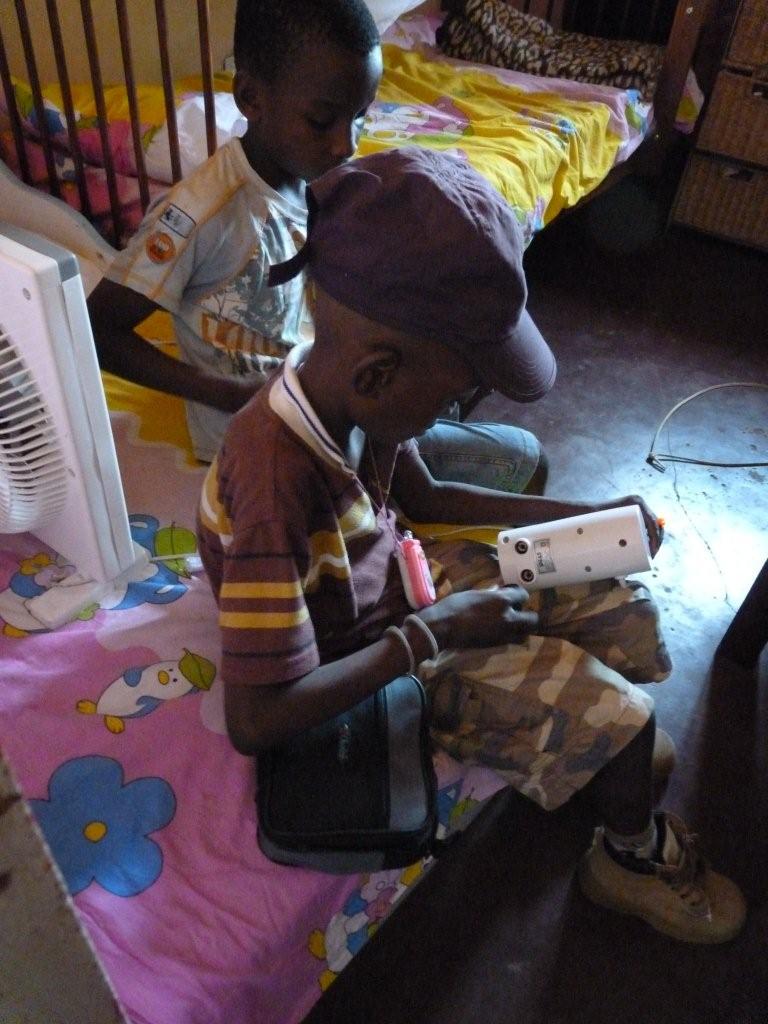
Vasco has a knack for fixing small electronics. He is self-taught and does a good job! He recently fixed a fan for Yudel that Yudel and Steve were unable to fix.


Debora is a 9-month old baby. She is so passive, that unfortunately she is sometimes left in her bed for long periods and is not getting the attention or food she requires. Mirtha is helping her as much as possible and encouraging the care-givers to treat her as they do their own children. She is a smart little girl but we are concerned about her slow development.


Christmas Day we spent with some friends from church at their home outside the city. It was nice to get out and be in the garden and yard and their pool. It was hot!
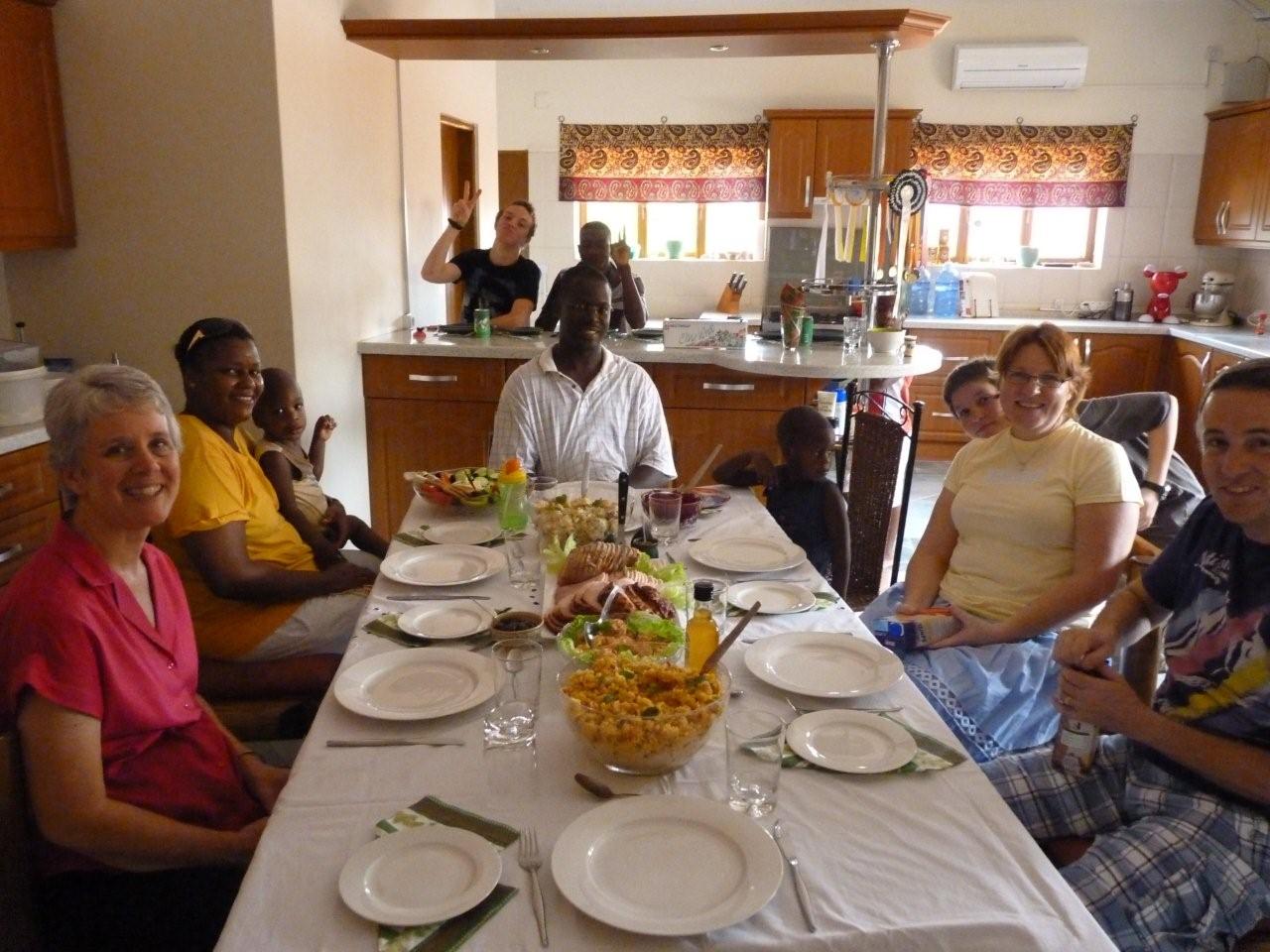
Here we are having ham and turducken (turkey, duck and chicken rolled into a loaf).


New Year's week found us at the beach. Our landlords have an apartment there so we took some time and relaxed. We spent mornings and evenings by the water and the rest of the time we were out of the sun. Thankfully we didn't get burned and we still enjoyed the ocean and had time for reading, videos and unwinding.

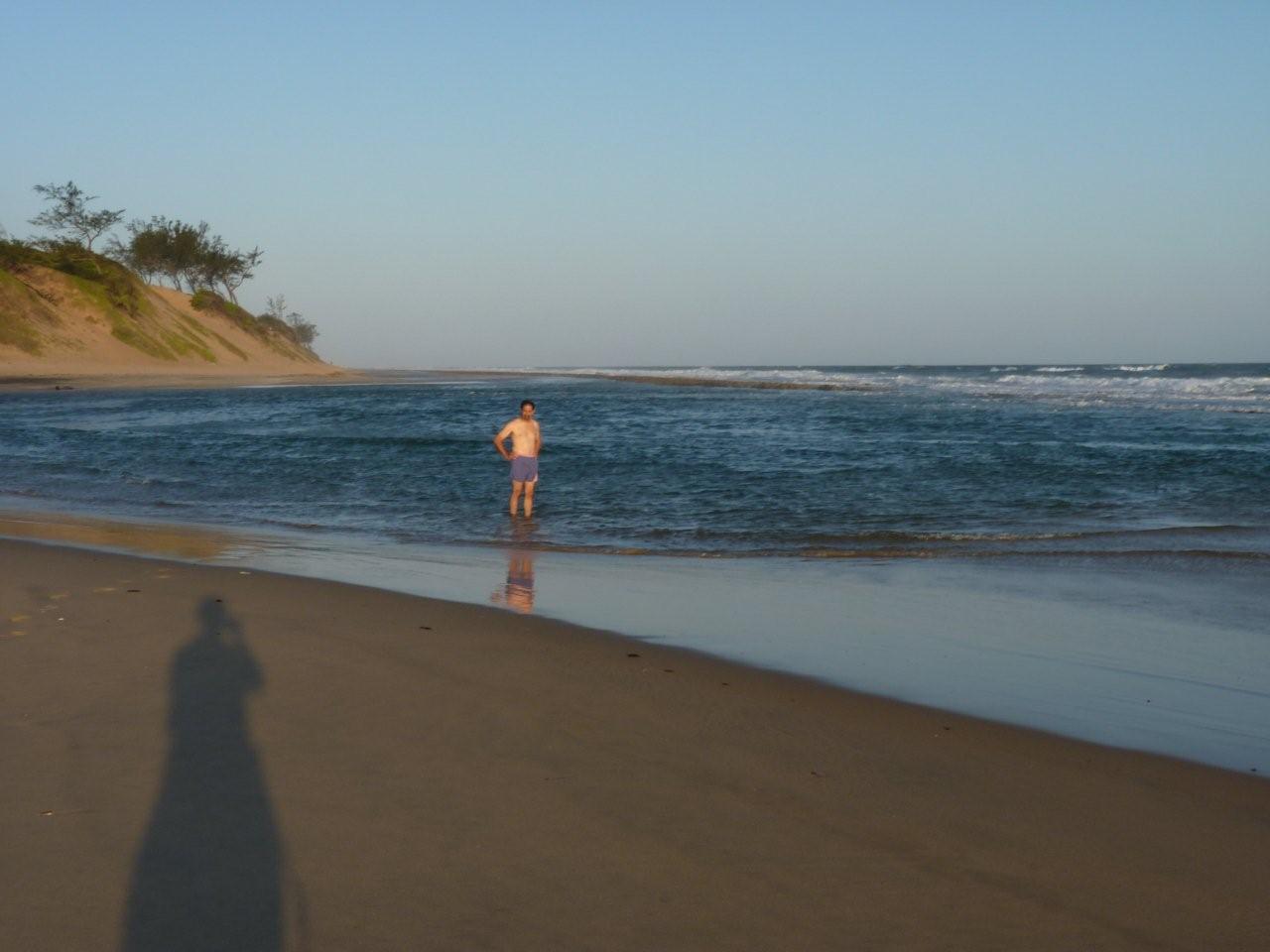
Xai-Xai beach has a rock barrier close to the shore. It makes pretty pictures but one needs to be careful when the tide is in and many times there is a strong undertow. Some friends got caught in it once and said they felt like they were in a washing machine - pretty scary! Steve found this pool that was deep enough to swim in front of the rocks and we felt like we were in a lake.


When our daughter was here a couple of years ago she taught me to look for "texture" when taking photos. I've started noticing it, especially in the sand and we found many different kinds close together. Here are some samples:


Happy and Blessed New Year everyone!

Monday, December 14, 2009

Sunday School Christmas Service

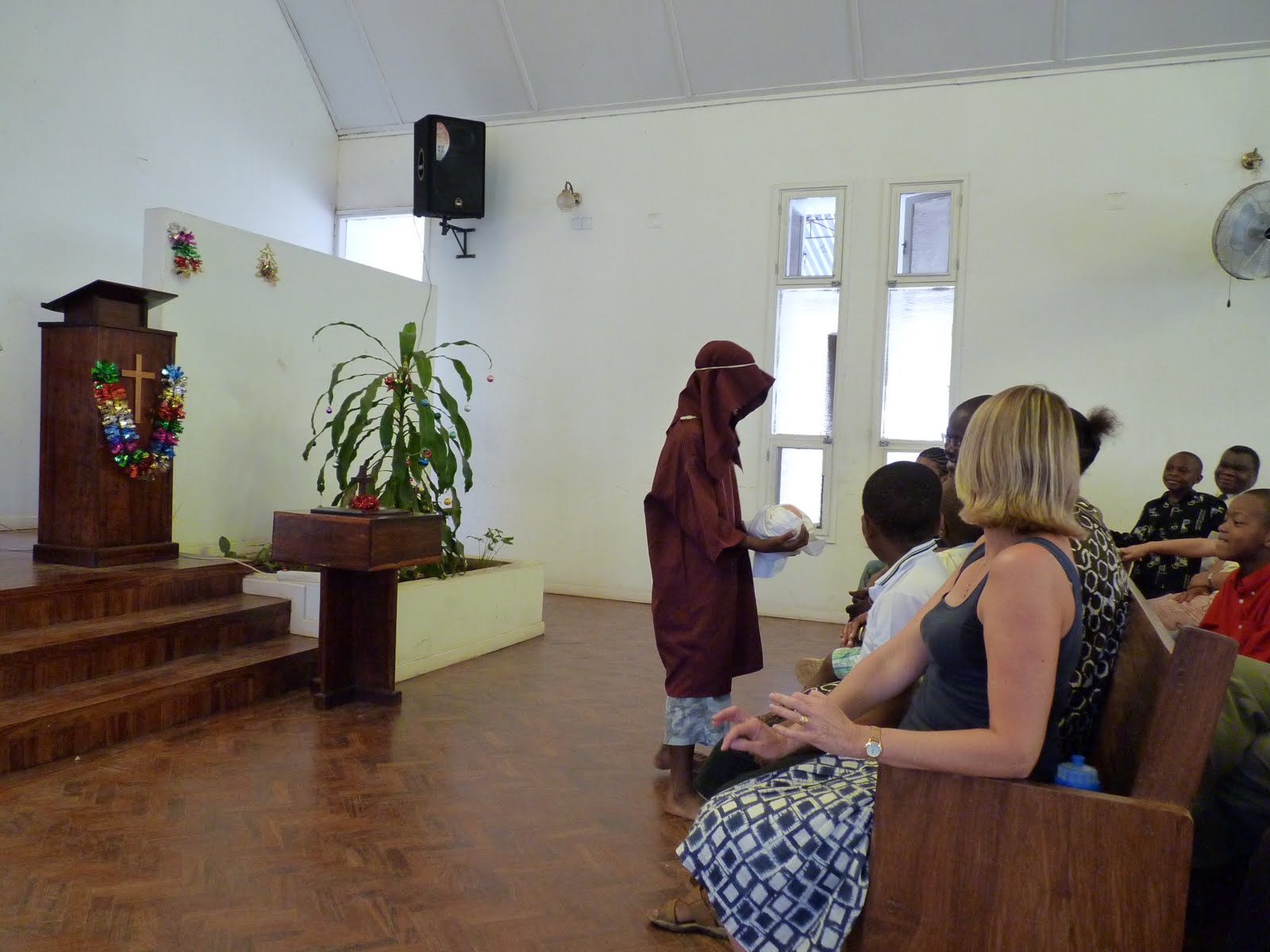
Yesterday the Sunday School at our church led the service. It was the culmination of many weeks of planning and practice. In the end everyone stepped up to the plate and did their part. We sang a few carols and special songs, had some readings from the Christmas story, a great skit from the innkeeper's perspective, a short meditation and some treats for the kids.


The innkeeper meeting Mary and Joseph. He got grumpier and grumpier as the night went on and he had many interruptions to his good night's sleep.


Angels singing Jubilate


The innkeeper's attitude changed when he met Jesus. Here he is showing Him to others. Many thanks to Fiona on the end of the bench who directed the skit.


The day concluded with a birthday party for Mirtha.


The gang's all here for a fish,shrimp and congri (Cuban rice and black beans) meal.

It was a big day but thank God it all went well and it was a lesson learned for trusting Him for the strength and grace needed.

Thursday, November 26, 2009

Gito

I just spent a week in Chaimite and Koka Misava with a group from The Chapel. I also had the privilege of being with Lucky and Sonnet and their boys, and with Sybil and Gito.

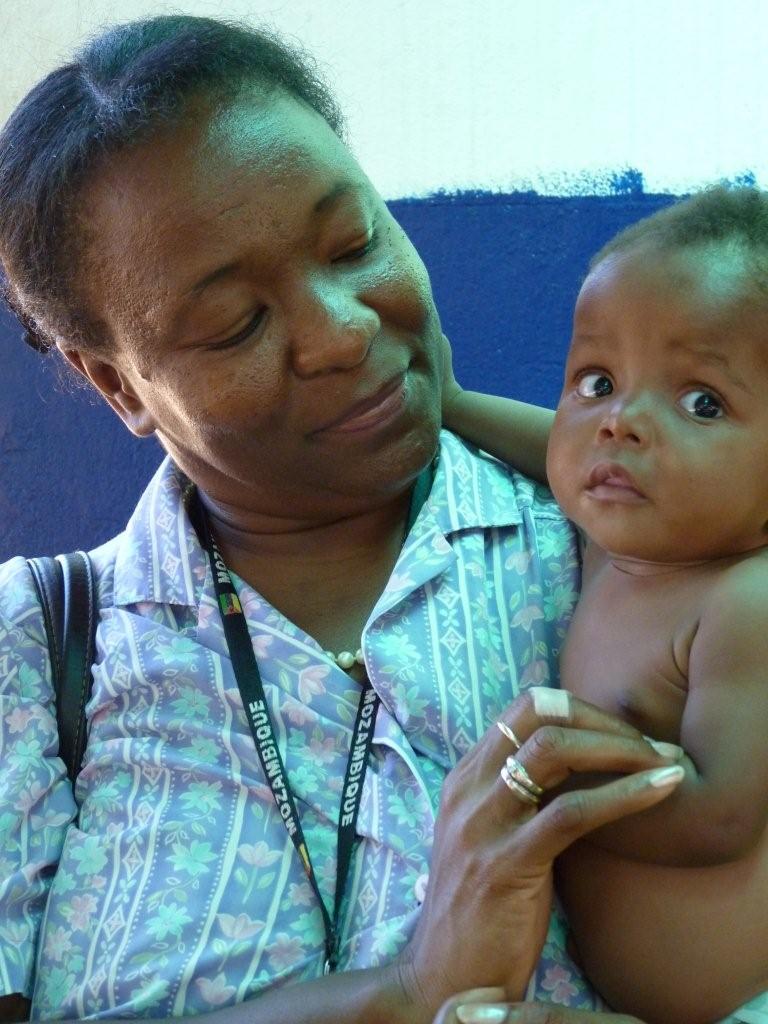
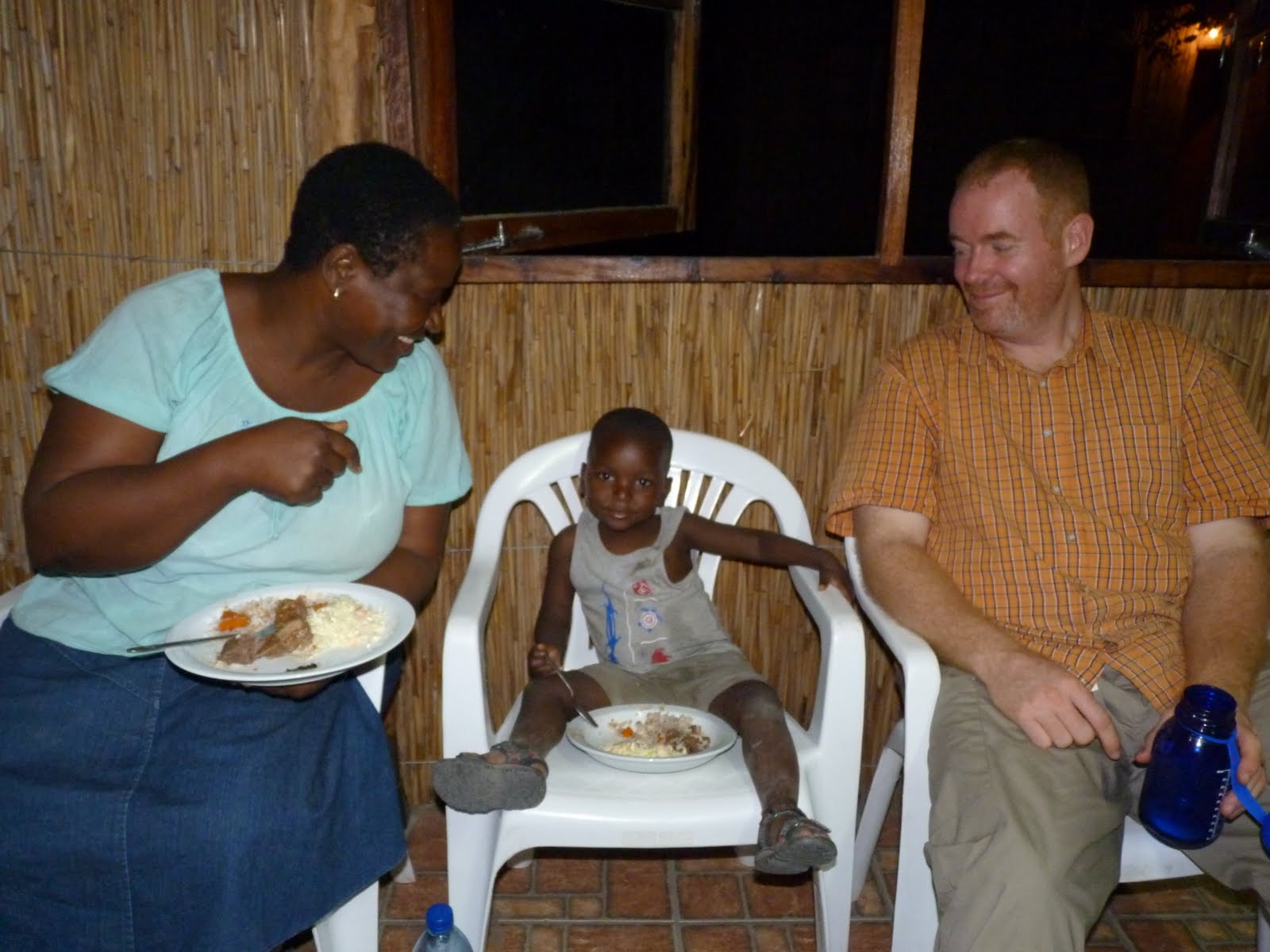
Gito is a walking miracle. Sybil has started a preschool and discovered that one of her students had a brother dying of malnutrition. She went to their household where they live with a very old grandma (they are orphans) and saw that he was in very bad shape. He had been walking but was by then too weak to walk. She got him to the hospital where she helped his 9 yr. old sister care for him. When he was released from the hospital she took him into her home and he is now living with her and the others she has taken in.

Now Gito is walking, laughing, being a normal almost 3 yr.-old. He is the sweetest kid and we all fell in love with him.


On this Thanksgiving Day I'm thankful for people like Sybil who look after "the least of these" and love them as her own.

Saturday, September 19, 2009

The Lost Son is Found

I just heard a wonderful story from our friend Mirtha, who works at an orphanage outside of Maputo.

Last January Social Services came to them with a 3-yr. old boy, Samito. They said he had been abandoned on a chapa (local transportation) and asked if the Yoido Center would keep him. They did, but Mirtha said he was very sad for a long time.

Apparently what really happened was that Samito wandered away from home. No one knows how he got on the chapa. His father has been looking for him for 9 months. Many people told him to give up, it was too long. But he insisted that his son was alive and he kept looking. He went to Social Services but with all their bureaucracy and red tape he did not get very far. Finally someone told him about Yoido and he went there to look for him. To his amazement, he found his son and they had a very joyful reunion. Mirtha helped Samito pack his small bag and sent him with his father with tears of joy.


Monday, August 03, 2009

Mucatine

I (Rachel) had another opportunity to accompany a church team from the U.S. to a village they have been visiting for 4 years. It's interesting to go back with them because we were also with the first team that came.

Relationships have been built, especially with the volunteers of the Child Survival program. This church set up prayer partners between people in Mucatine and people from their church. Everyone has a laminated card of their partner with a picture, some personal info and some prayer requests. Every time a team comes, the partners send letters and the people in Mucatine also dictate letters back to them. It really gets past the superficial chit chat pretty fast when you start learning about issues that need prayer in each other's lives.

I was approached by a woman who has not been a volunteer but who is part of the agricultural association that has been set up there. She said, "Will you be my friend?" I sure will, and we had some time to learn about each other. Sonia understands some Portuguese but not much so we talked via an interpreter. She has three grade school aged children and her husband works in the mines in S Africa. Last year he came home once. They are part of the Zionist church, which in Mucatine is a real mixture of African religion and Christianity.


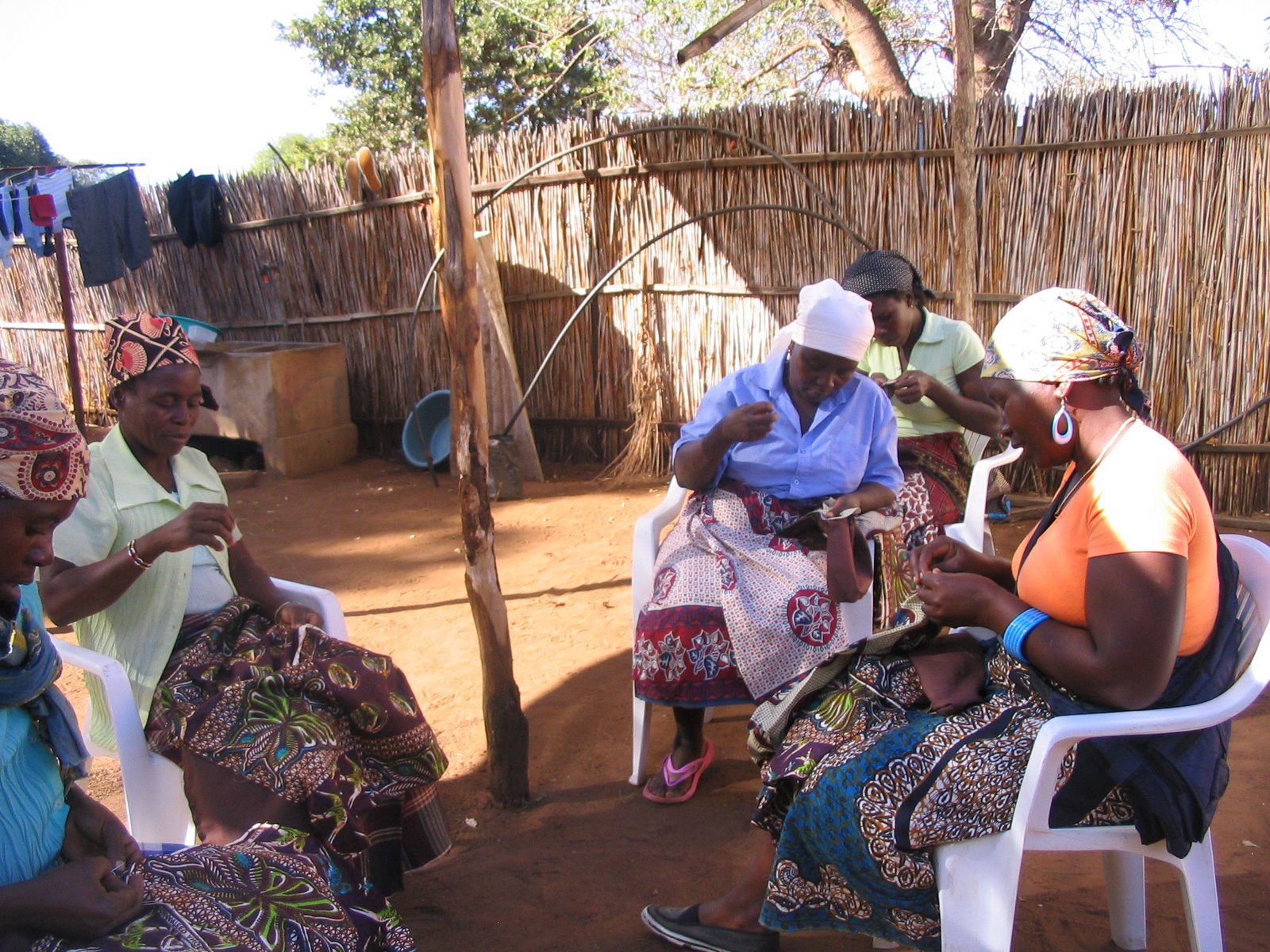
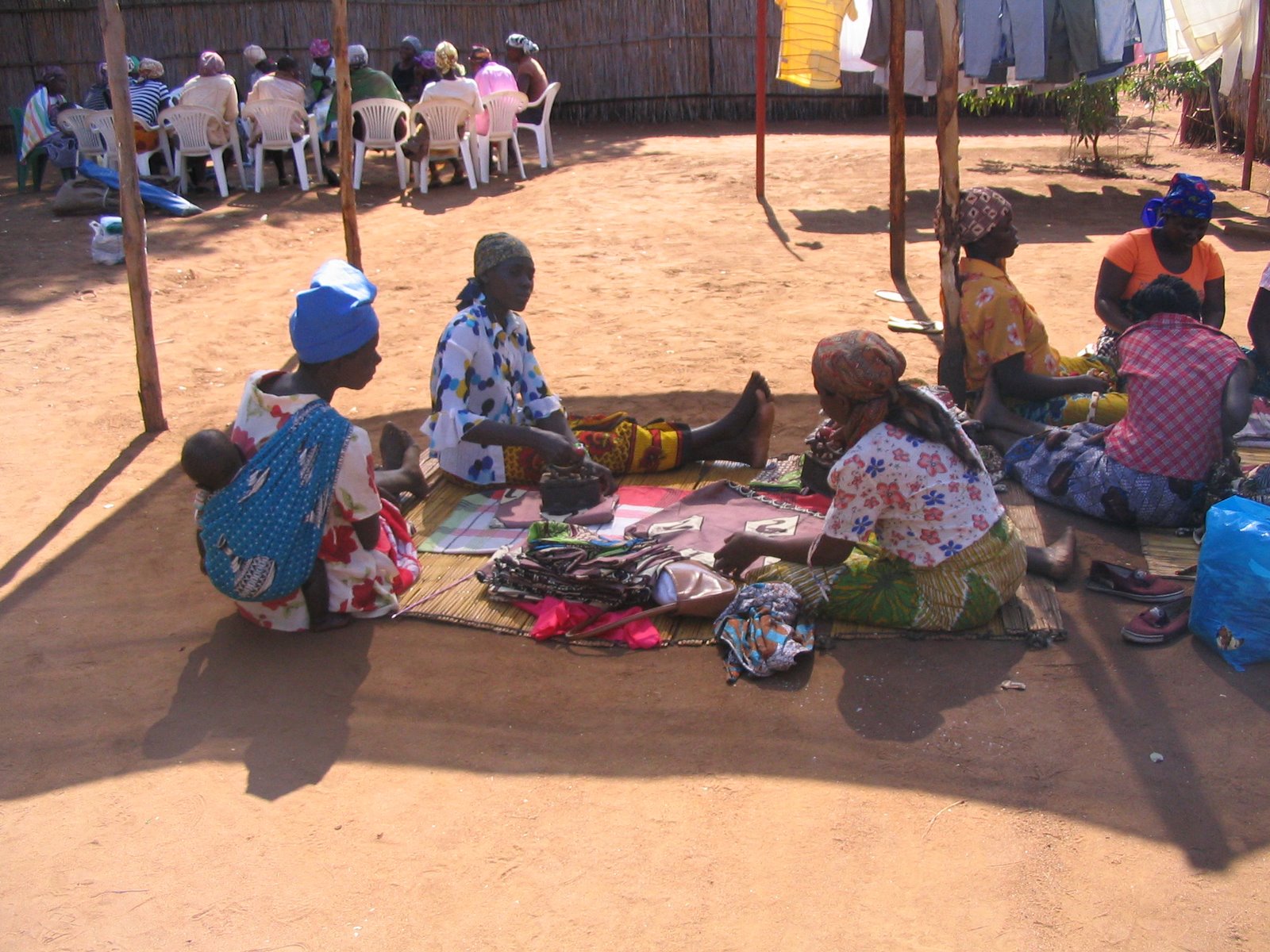
The women are very busy with a project that was suggested to them by the last team. They are hand-sewing cloth bags made from capulanas. When each woman completes 100 bags they will have enough funding to buy a truck for their agricultural association. This is a long-term project as it takes 6-10 hrs per bag. I made one while I was there. It would take a lot of motivation to make 99 more!


Here they are ironing them on the ground with an iron heated with hot coals. I still haven't figured out how they can sit like that for hours.


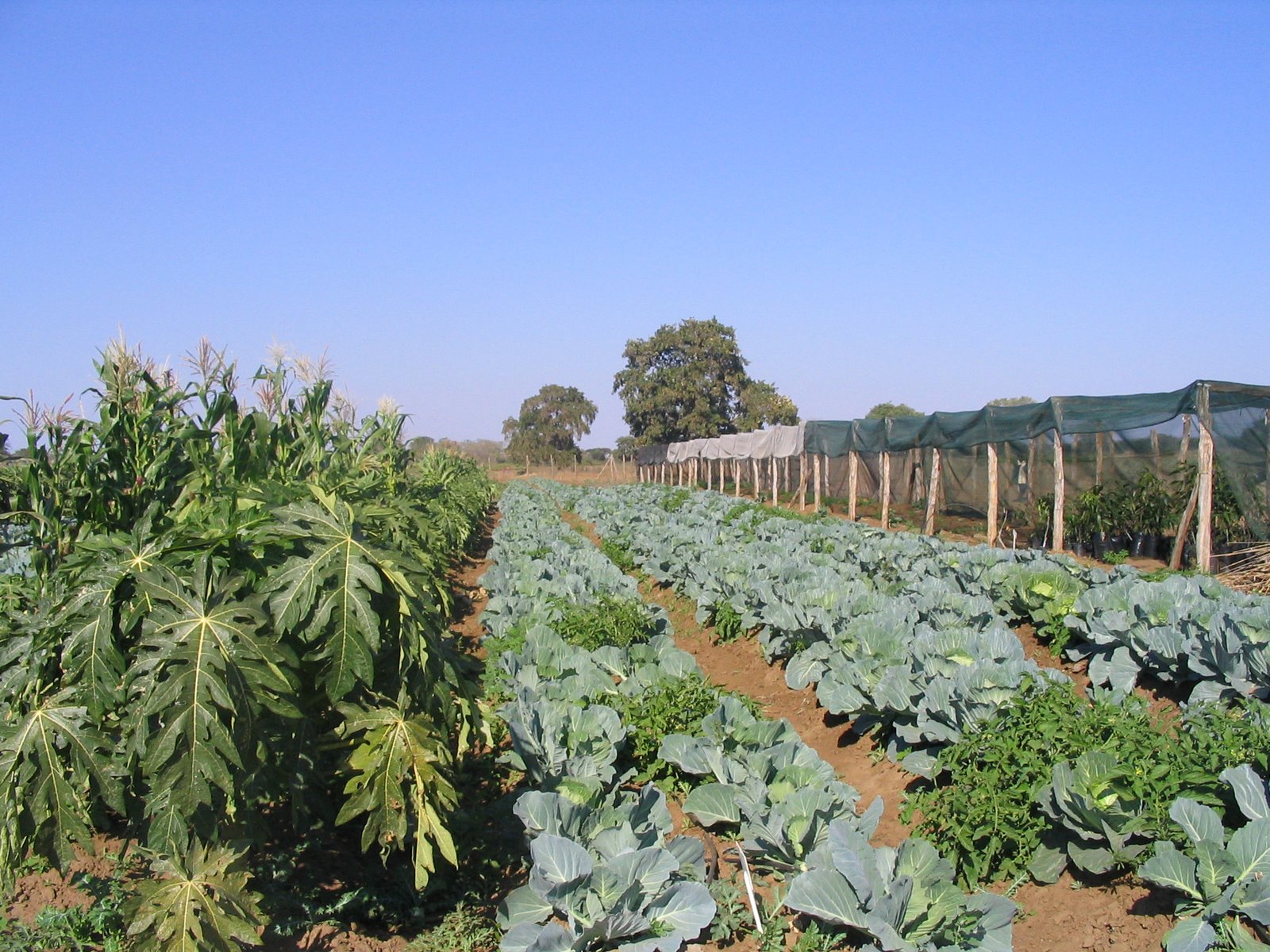
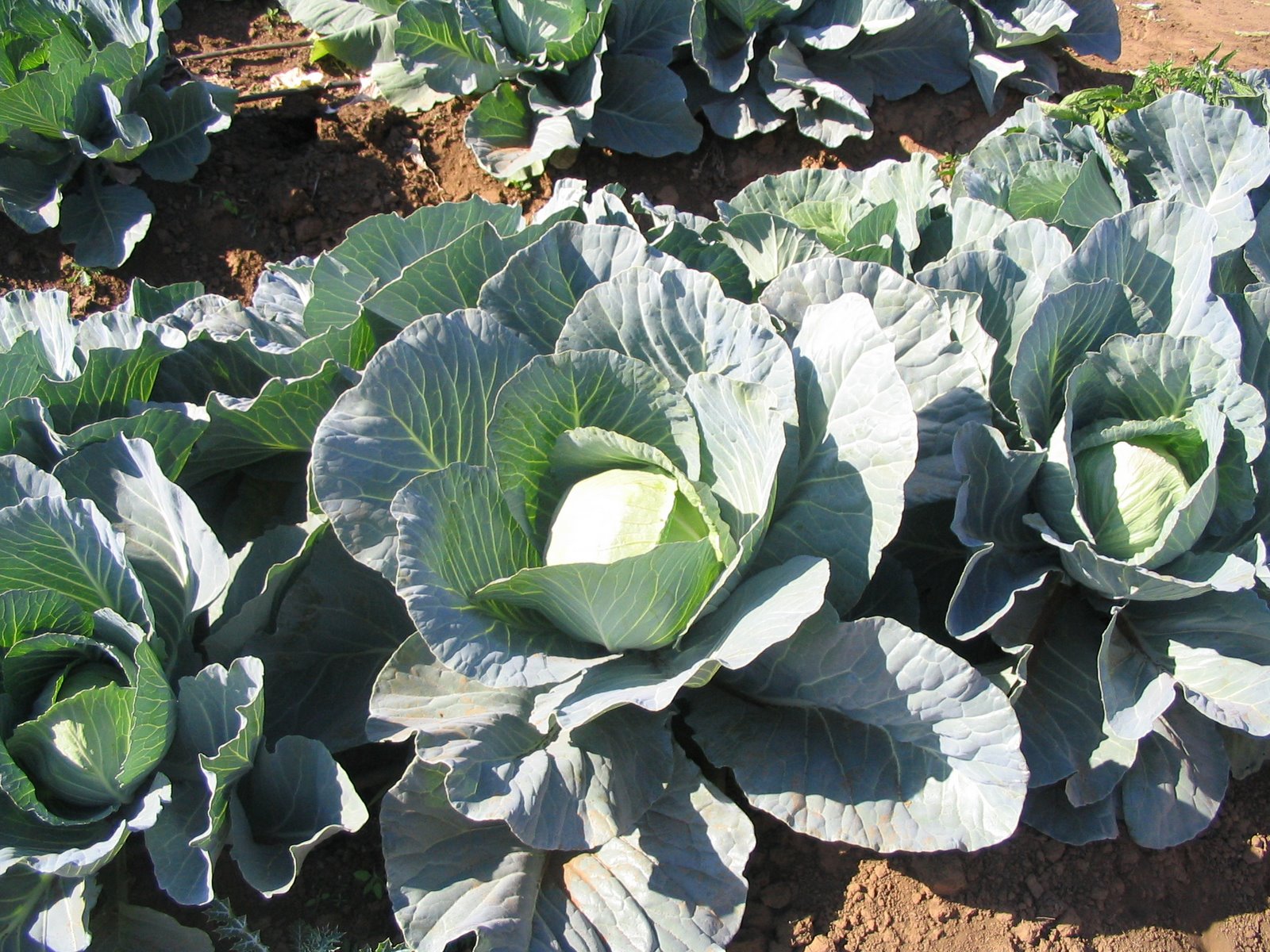
Their irrigated field has tomatoes they are harvesting now, cabbages (huge ones), some corn,squash papaya and dwarf mango trees. Each person has a plot for which she is responsible.


During the Bible teaching sessions it was evident that many of the women are realizing that they need God. One said, "I couldn't sleep last night, wondering if I am walking in the fruit of the Spirit or the flesh." Many of them know all about Christianity but when traditions conflict with Christianity they choose their traditions. Maria, who is a Christian in the village told me that it is like cutting down a large tree. You have to cut all the branches, clean up the leaves, haul it all away and then you also have to dig out all the roots. (We're not talking about chain saws now, this is all by hand.) This takes a lot of time, but she sees the fruit of the teachings that have come to the village for the last years and she encourages us not to give up. That was good to hear because it is easy to think things will happen instantly and it can be discouraging when change does not come as quickly as we think it should.

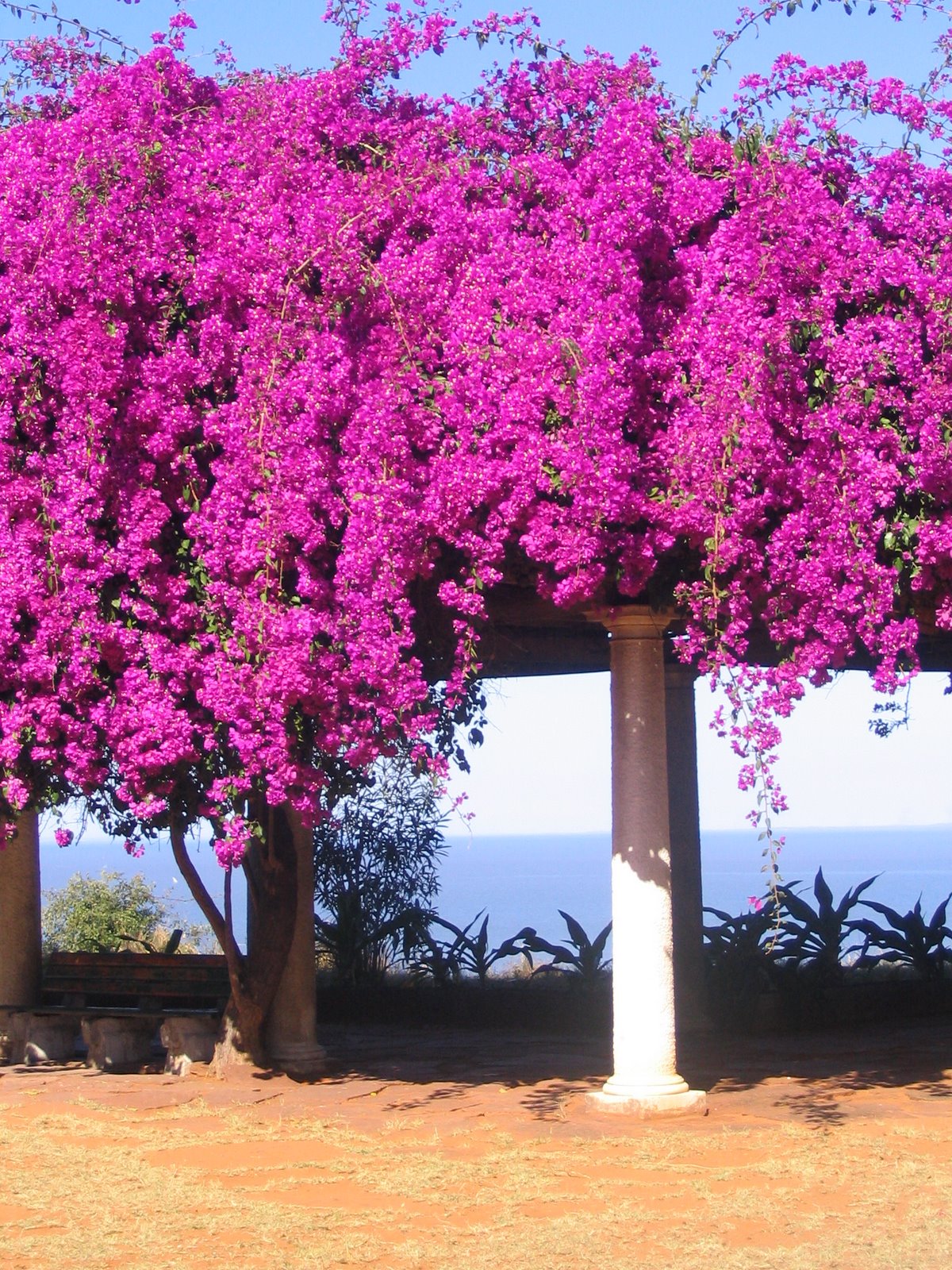
I'll leave you with a beautiful sight that I pass by on my walks in Maputo.

Monday, July 20, 2009

Flying Trip to the Americas

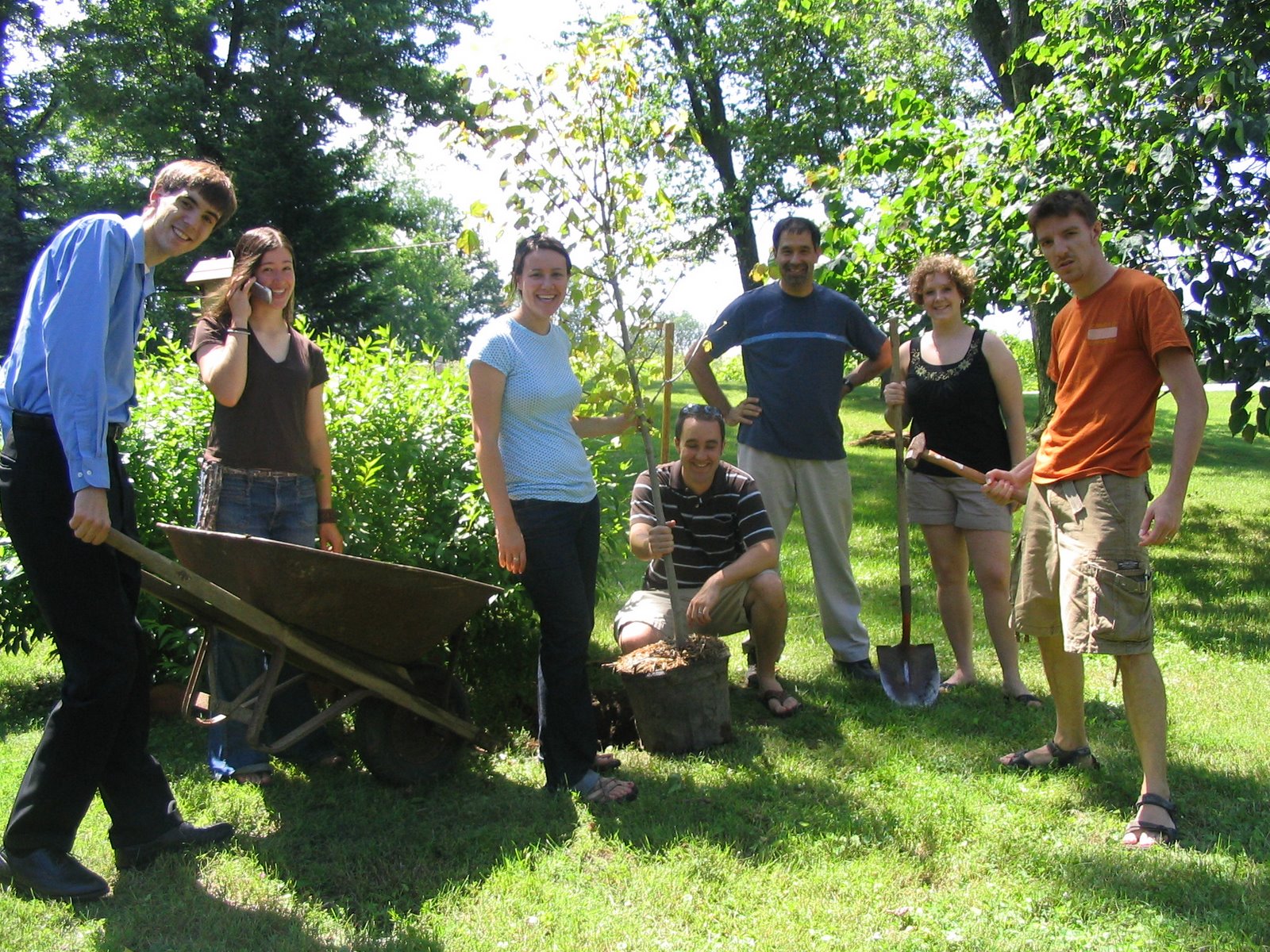
The end of June saw me (Steve) take a flying trip with one week each in the US and Nicaragua. The overall purpose was business as I traveled with Wiggan Kanchela of the Zambia program to visit a partner in Chicago and ECHO in Florida during the first week. For Fathers Day weekend I was in Elkhart, able to see all the kids and their spouses, share meals with families and visit Zion Chapel. Tree planting and some work around the house were orders of the day.
Rachel even called right then and is represented by the phone in our photo.


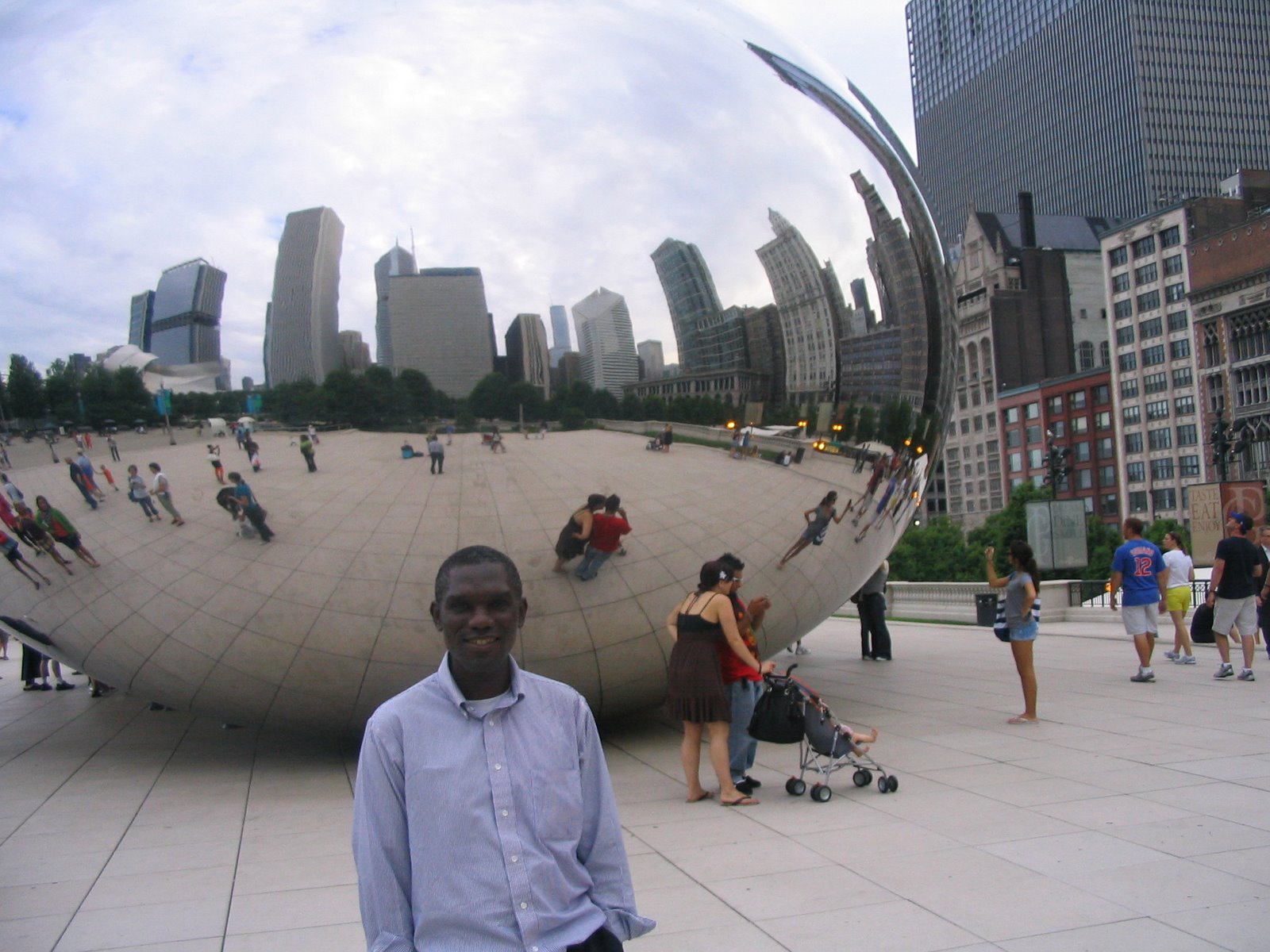
It was a week of Firsts for Wiggan in his first trip to the Americas, first fresh strawberries (with short cake), first McDonalds, Starbucks, and other American shopping stalwarts like Target, Kohl’s, TJ Max and downtown Chicago, just for looks. We had a great time in Barrington with the Wauterlek family and were greatly encouraged by our conversations and renewed friendships.

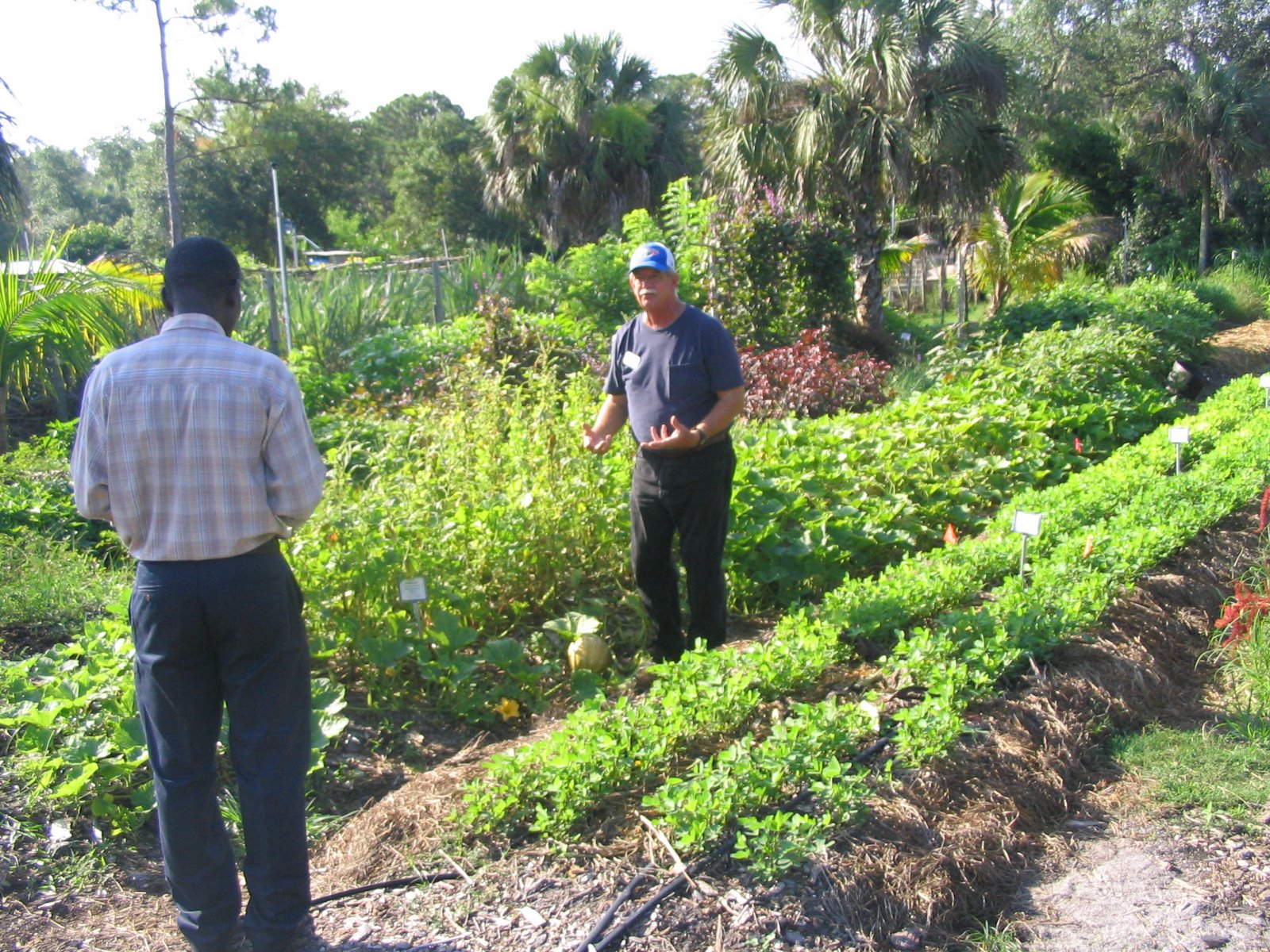
ECHO (Educational Concerns for Hunger Organization), is a non-profit organization in Ft Myers, FL that provides technical information, seeds, demonstration plots and training for development organizations who want to help feed developing-world families. They have looked the world over for unique, adaptable and transferable food crops that can assist in providing nutrition and energy in multiple types of environments, including the urban garden.
We were graciously hosted by Bob and Ellen Hargraves, and the rest of the ECHO staff. Both Wiggan and I came away with new packs of seeds and ideas.
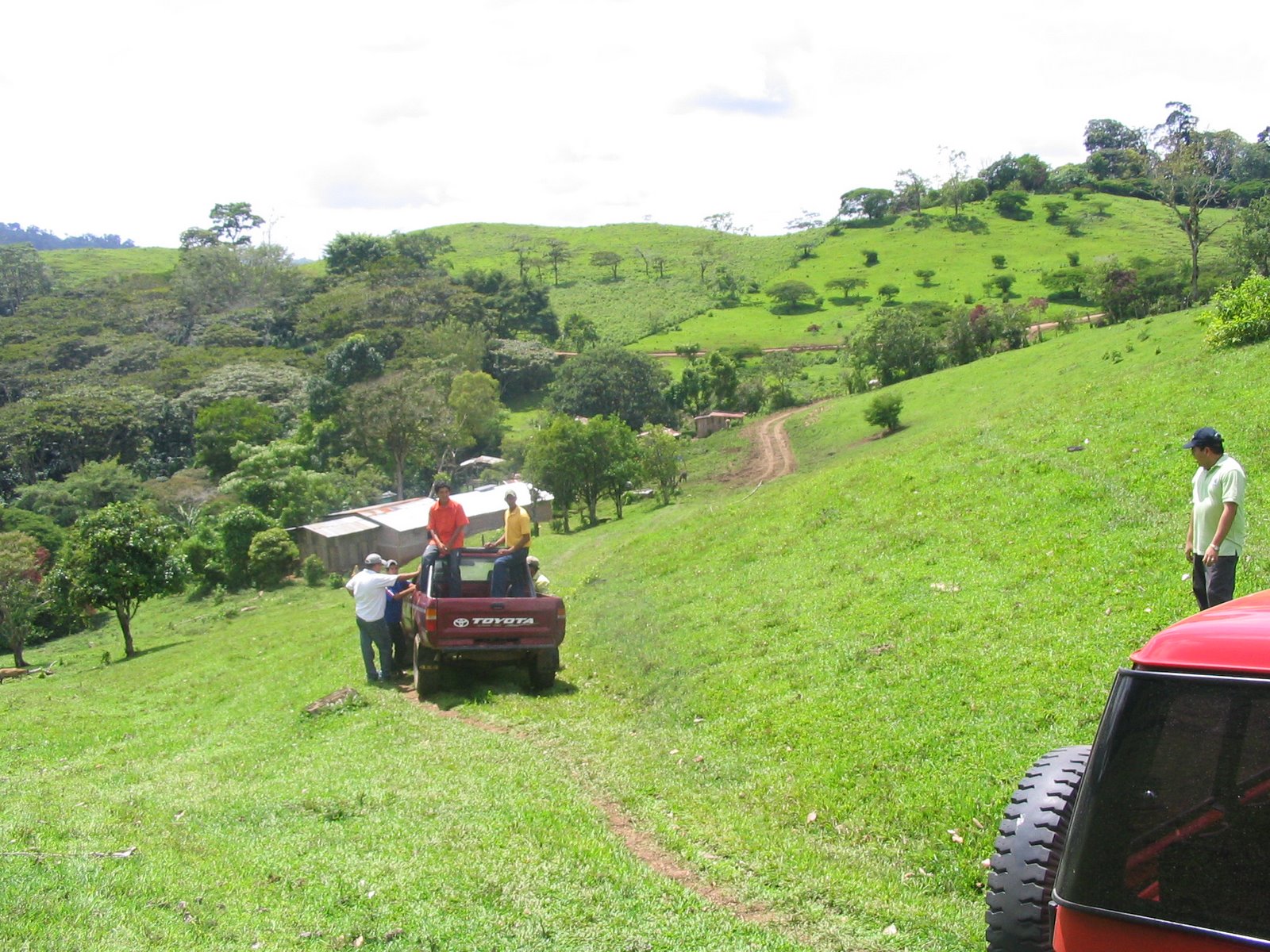
In Nicaragua we were hosted by World Relief and PAC, an agricultural export organization started by WR about ten years ago. PAC is doing what AfricaWorks (and WR) want to do with economic development for small farmers. We went to see the scale and detail of the multi-million dollar export business they are operating to both develop small farmers and the agricultural communities they work in. As a whole, it helped us get a bigger vision for what “businesses” and linking them together can do for communities and a country. The photo is Malanga coco or Taro root, sold to the Asian population in the US. It makes a great "chip."
It was so much fun to be back in Central America (I was there in the summer of 76). The hospitality was great and the country side was beautiful and very green. The hard part was trying to remember Spanish after speaking Portuguese for 4+ years, leaving Rachel behind and the 40 hour trip home.

Sunday, June 07, 2009

Kid's Day

Children's Day is a big thing in Maputo, we're finding out. Last Monday the schools (at least the private ones) were having parents bring food and gifts for their children. Today we celebrated at our church. The children sang two animated songs and it was fun to see them get into it, as in the past sometimes it has been "oh ho hum, I gotta sing."

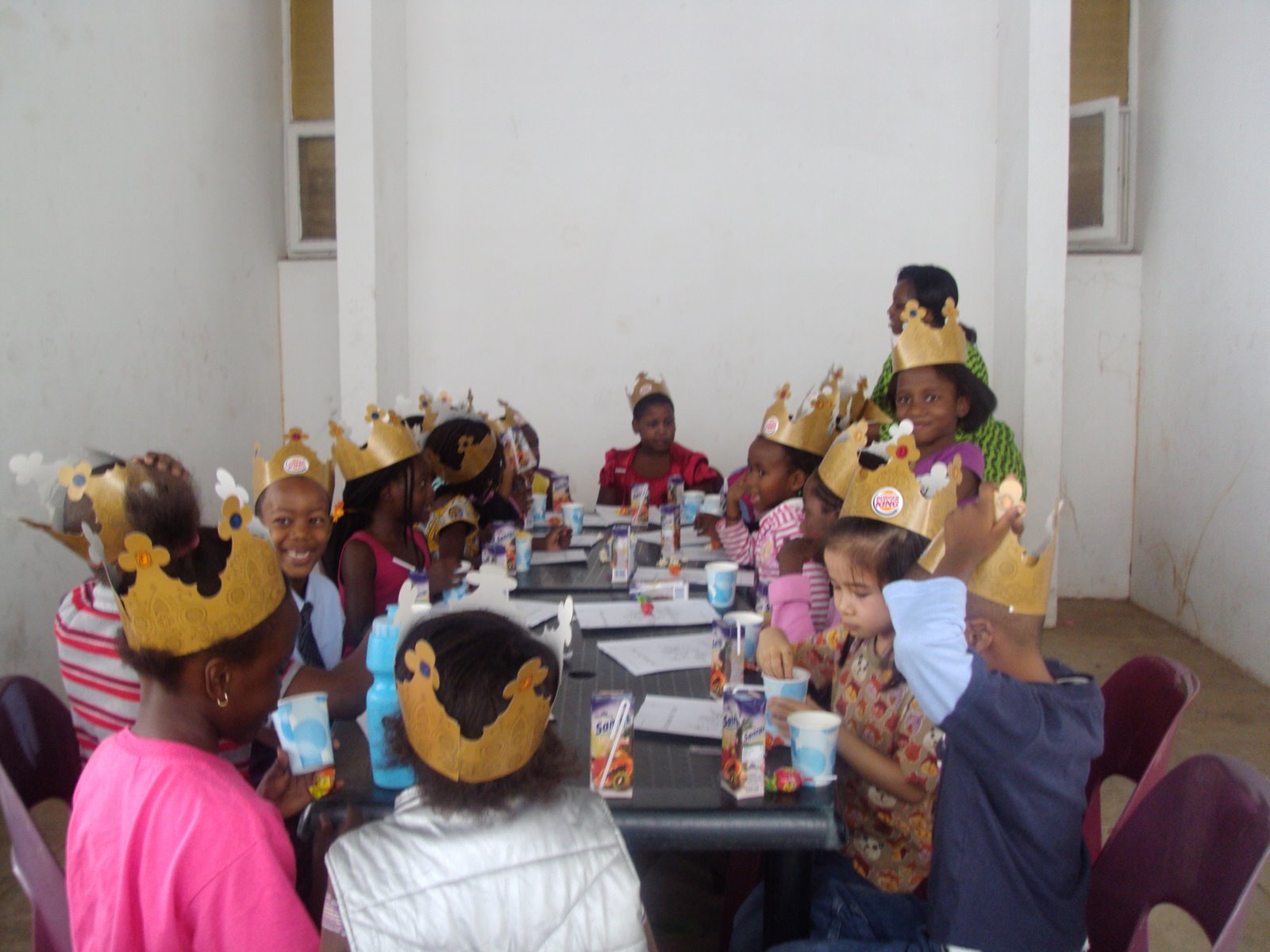
In Sunday school they got crowns to show they are princes and princesses in God's Kingdom, snacks and parachutes (made with plastic bags, a string and a little man made out of pipe cleaners). Thanks, The Chapel for giving us the extras from your recent trip.

At the end of the day one of the teachers said "Well done." My response was, "I'm glad it's done!" It took some work to pull it together but I think the kids had a great time and with everyone pitching in it was not hard.

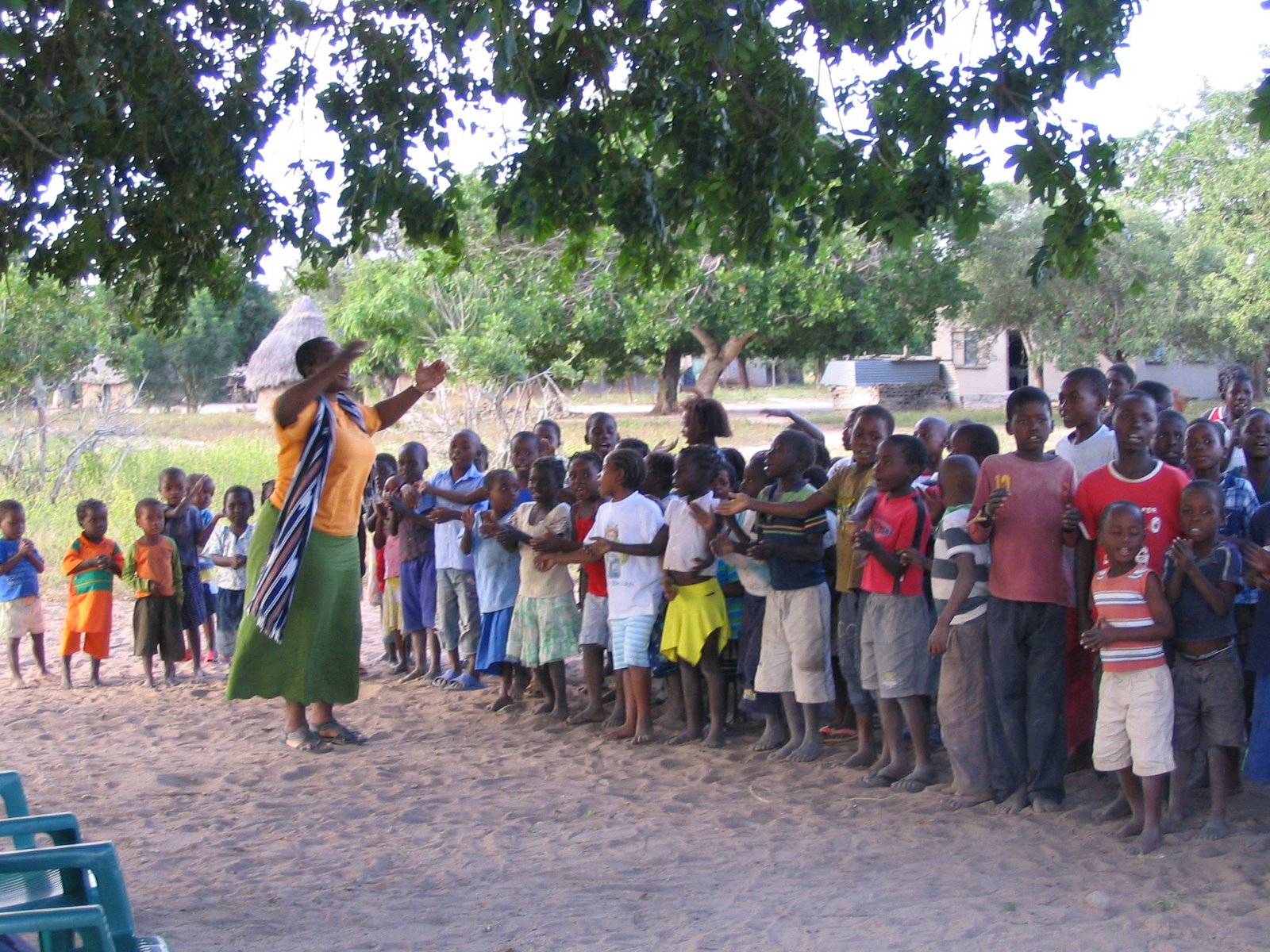
Here are a few pictures from the last church team that came in May. Here's Sybil working the crowd at Kid's Club. There were oodles of kids! Oh, I've got to tell you about one of the moms at Kid's Club. When a kid was acting up, she jumped up and started yelling at him. Sybil told us later she as saying "These old people came all the way from America and you're not listening!" Hmm, wonder who she was referring to?


Parachute fun!

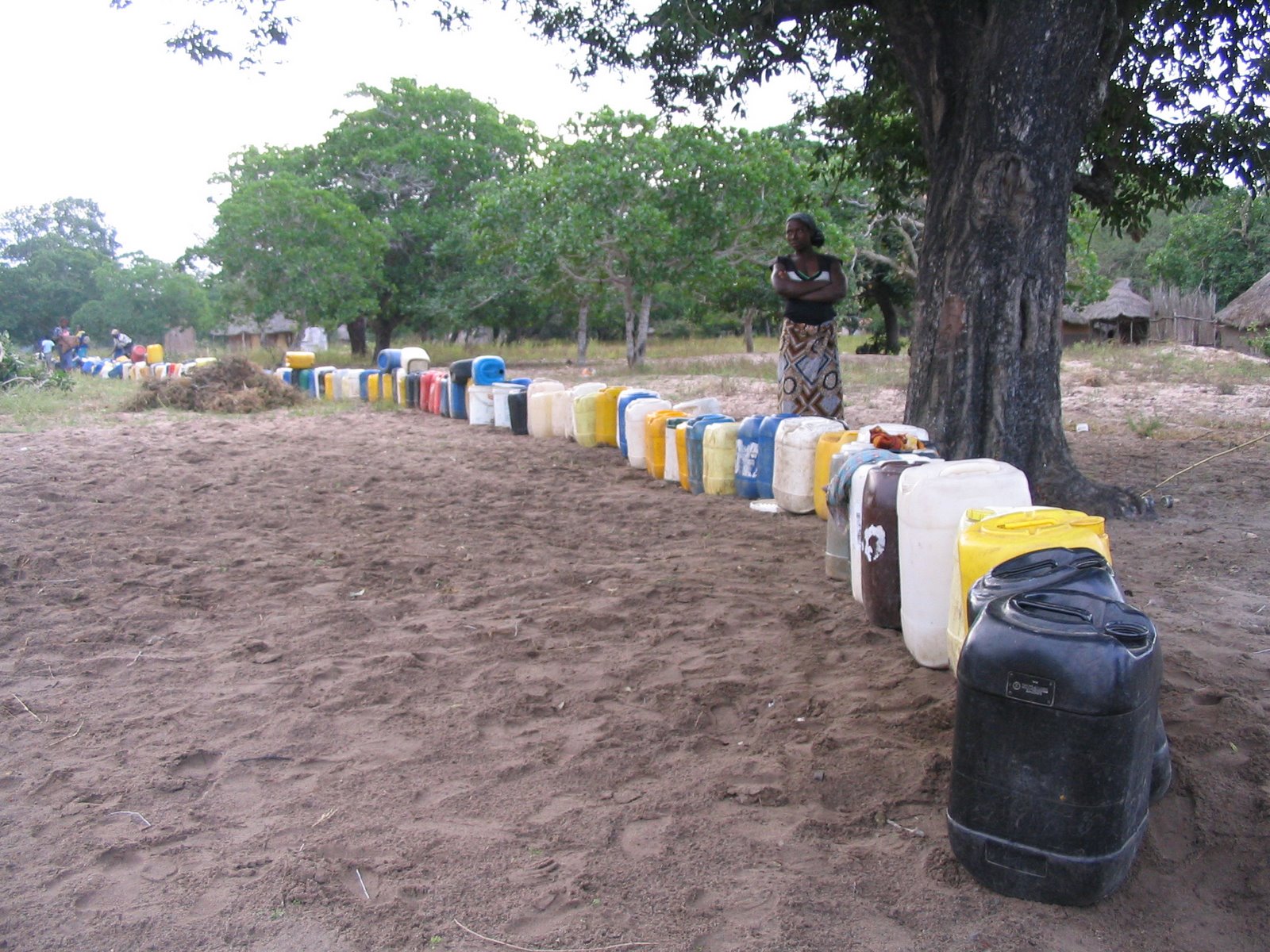
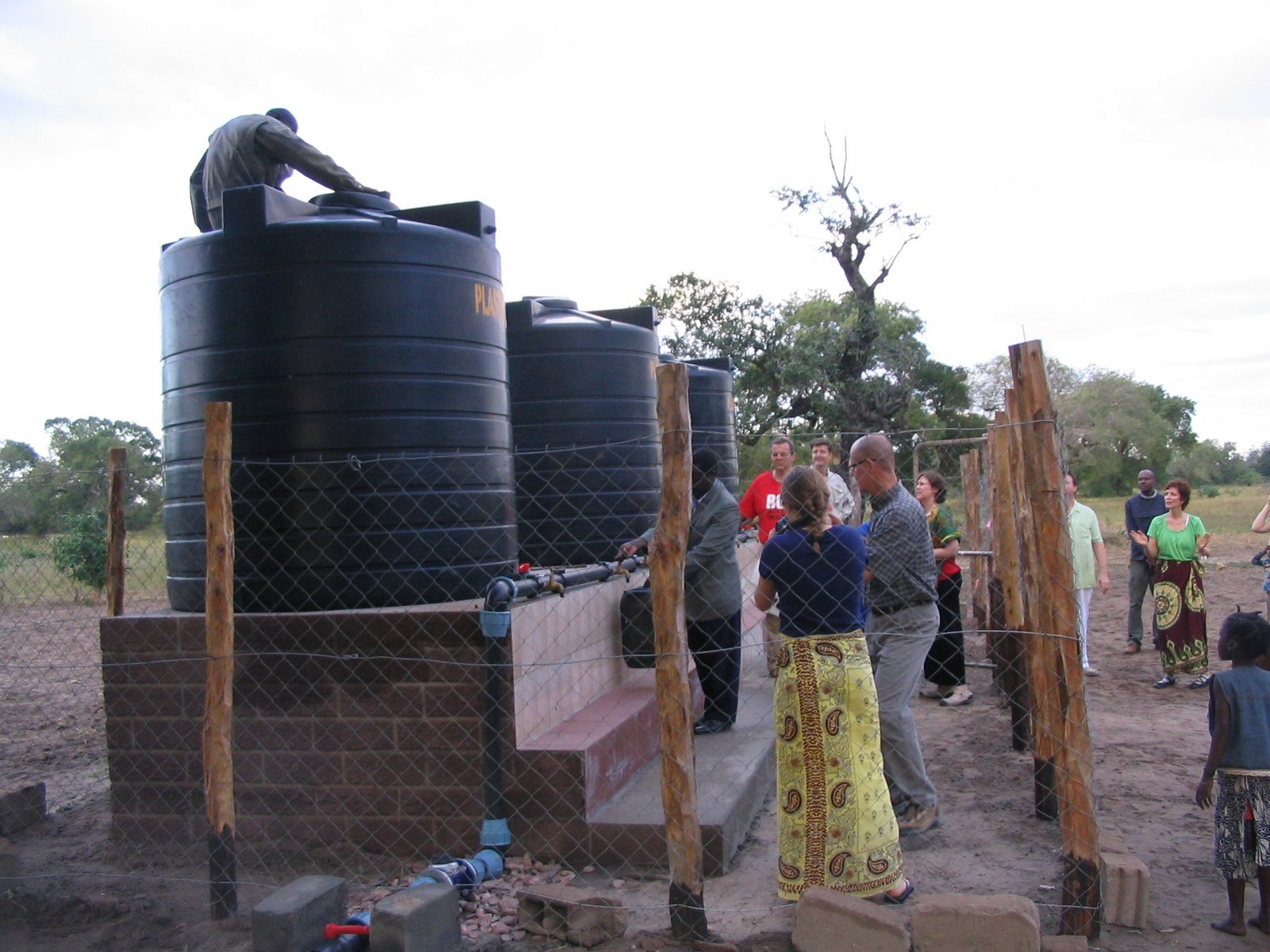
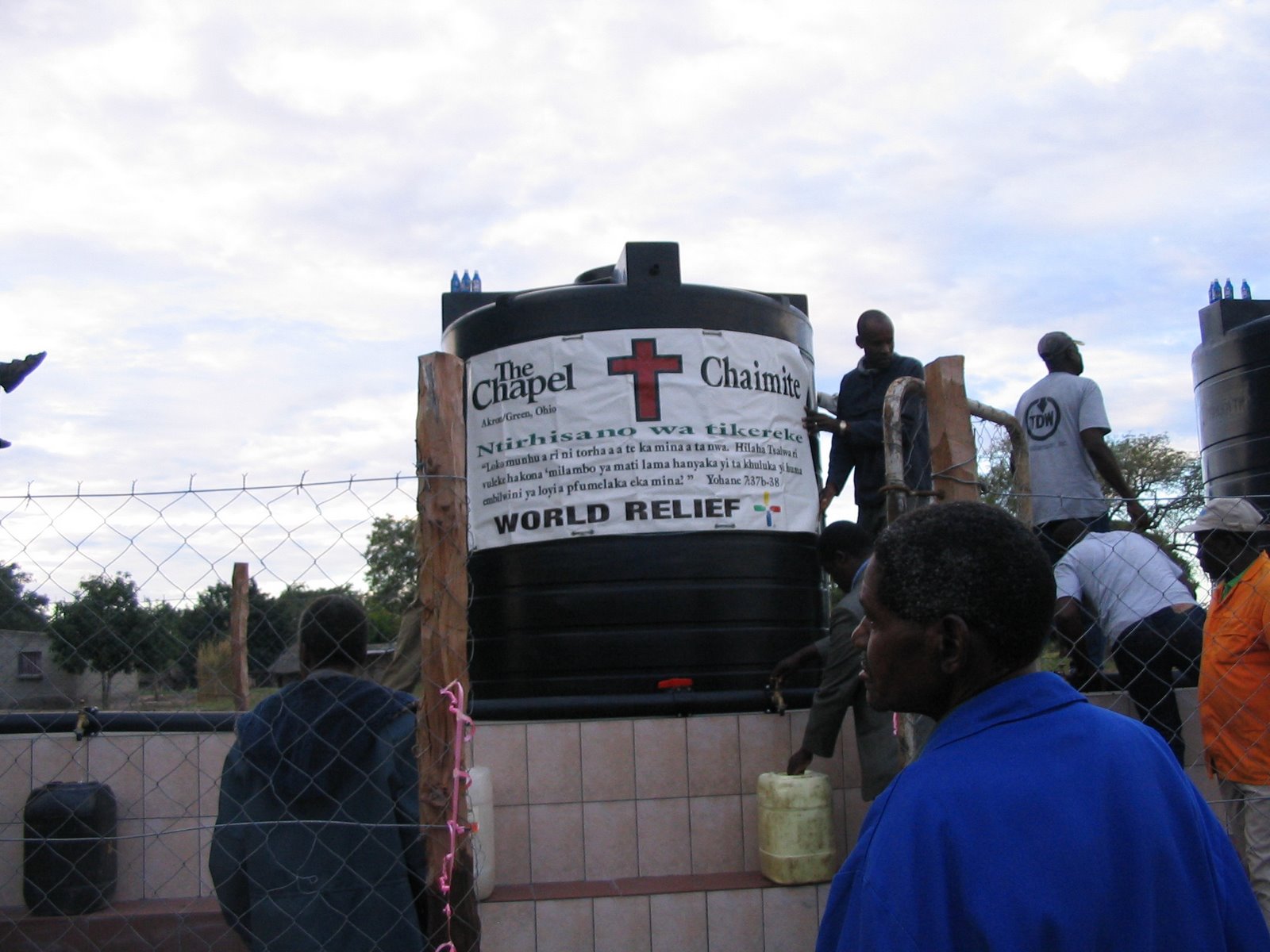
Here's the row of containers waiting for the dedication of the new water point in Chaimite. This is the third one and they have made a huge difference for the villagers. Now they do not need to fear being eaten by crocodiles in the river (it happened many times) and they can get to their fields to work earlier because they do not have to carry water as far.


For more pictures of the trip taken by Mike and Shelise Boso you can go to http://www.youtube.com/watch?v=HwXyDzGDpg0

Monday, June 01, 2009

Safari Park in Maputo

Yesterday we visited the Mucapana Safari Park just outside Maputo that we read about. They have giraffe, buffalo, 6 zebras, some impala and ostrich. It is a nice outing if you want to see some animals but can’t go to Kruger. It takes about 1 hr from downtown Maputo if the traffic is not too heavy. It is quite brushy and hard to see, but giraffe are not too hard to spot! We did not find the zebra. It is not a huge area to drive around – about 40 hectares. Here are some pictures we took.

The reason we went now was because the Nicaraguan who is staying with us for awhile could not get a visa to go into South Africa with the rest of the visiting team. Our Cuban friends have also not seen any wild animals since they've been there. It was great seeing and hearing their excitement to see giraffes up close. They even walked up fairly close to them. You can do that when there aren't lions and other predators around. In Kruger you cannot get out of the car unless you're in a fenced area.


Here's what we read in an online travel magazine.
“Maputo is one of the places in the world where anything is possible. A
city with a rare beauty, it is the entrance to tourists from all over
the world to enjoy the beaches,wild life parks and other places and
things this mystic country called Mozambique hides within its land.
By arriving in this town also known as “acacia” city, tourists don’t need
anymore to wear boots as if they were going to climb Everest, carry
heavy bags with camping supplies,cover the body with mosquito repellant
and get on the road with potent 4x4 engines because the wild life they look for outside Maputo has come to them. That place of adventure tourists want to reach can be found 35 km from the city centre in an amazing and paradisiacal open area called
Mucapana Safari Park. An idea of Philippe Gagnaux based on examples of big parks like Gorongosa,Mucapana is a sanctuary to appreciate wild life. It has emerging fauna, fruit trees such as Marula and is populated with giraffes, buffalos, zebras and impalas. On venturing further into the park, it is possible to see ostriches
in a cold bath in small lakes below the vibrant and beating sun. To complement this fascinating landscape and wild life environment one can enjoy by visiting Mucapana,
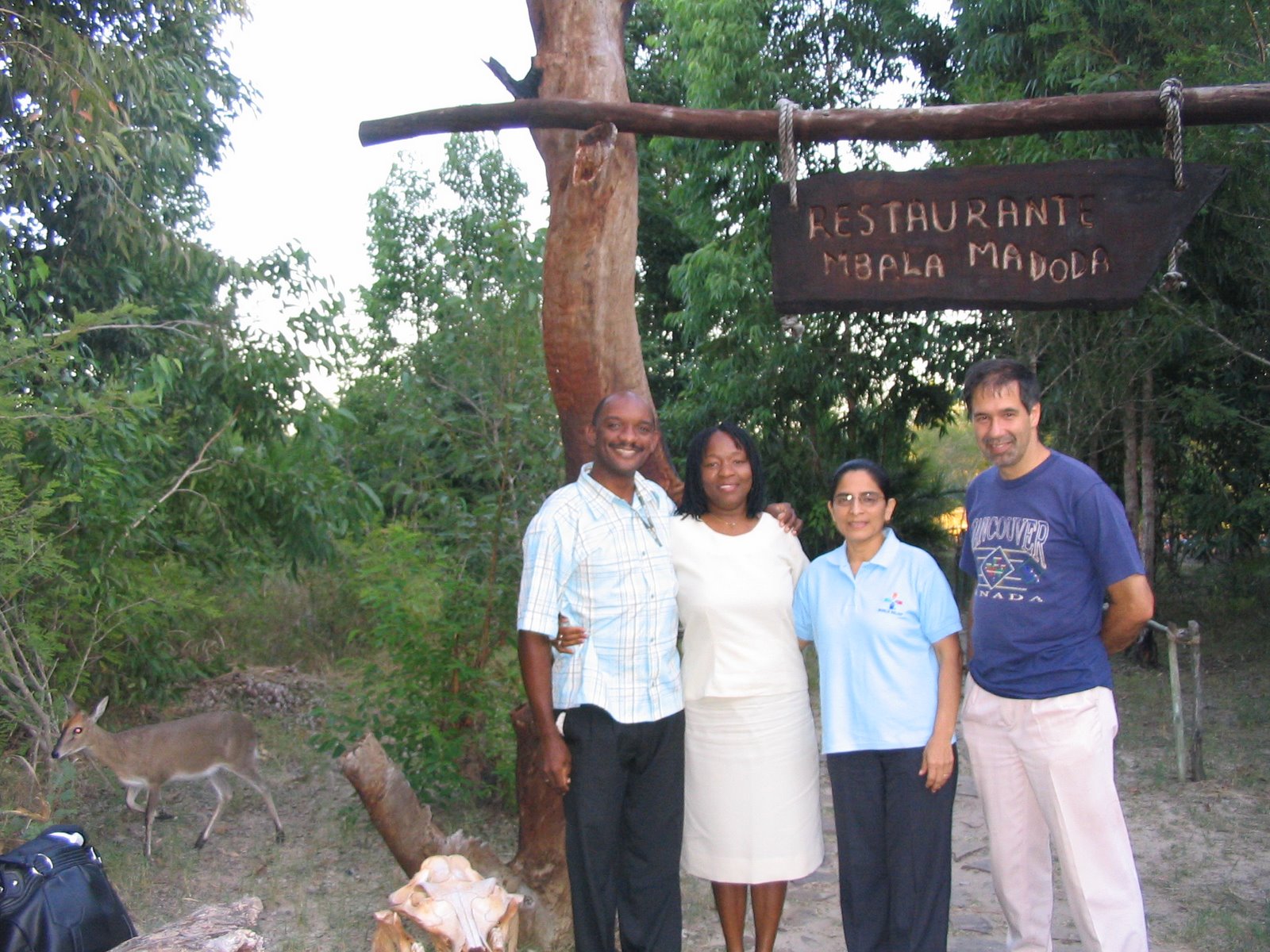
there is a restaurant called Mbala Madoda that serves traditional dishes from Maputo and all of Mozambique.

How to get there?
It is very easy to reach Mucapana Safari Park. The only thing you have to do is
drive to the police checkpoint of Zimpeto on the Xai-Xai road. Upon leaving the
police checkpoint, drive for another 3.8km and then turn left at the green & white
“Safari Park” sign. It is a well maintained dirt road – normal cars are fine. Drive
along this road for 12.8km until you see a sharp right turn in the road. At this point,ahead of you is a large white house and a sign, “Florique”. Turn off to the left before the road bends to the right, drive 4 km (approx) and park your
car in the white-painted house compound. YOU HAVE ARRIVED! From the police check point, it takes about 25 minutes if you drive at a reasonable speed.