Sunday, December 05, 2010

Water Wells in Zambia (if you are not interested in the details, just look at the pictures!)

When I first heard that it cost $5,000 to put in a well in Zambia I was an unbeliever. This seemed impossible and tremendously expensive. Someone even suggested we buy a well drilling rig and drill our own wells. After looking into it, we decided not to buy and paid the $5,000 per well. After all, the water was 60 meters down and it was professionally done.

Then I found out, that some of these well were drilled 60 meters deep in areas where the water table was 1 meter below the surface during the dry season. Why drill 60 meters? Well (no pun intended) that was the standard.

I don’t know about you, but I was raised in a house where the well was 30 ft (10 meters) deep and we have always had plenty of water. I still own a house were the well is 50 feet deep and the original owner drove that well himself in 1949. So, why not something like this in Zambia?

After investigating the options and prices, I bought and packed up a well point - $30, a pitcher pump - $40, some drive couplings - $6 each and a driving cap - $5. When I looked at pipe and considered the challenge of transport to Africa by suitcase, I punted and said, let me buy it there. However, in consultations I was warned that the pipe from Asia was too soft or brittle to take the driving. Point noted for the future.


So, after a small hassle from Mozambique customs agents who wanted a “tax” to take the pump and point out of the country, I arrived in Lusaka, Zambia to buy pipe. Fortunately, I had a contact who knew the businesses to buy from. We went together and bought a 20 ft piece of pipe that then needed to be cut and threaded on the newly cut ends. When in conversation with the shopkeeper where I bought the pipe, I asked him why he did not offer a cutting and threading service. He said, so he can sell more machines. As we discussed the project, he said he had never had a big enough order to run out of pipe and if he could supply me the projected number of pipe he could retire. Fat chance, I thought.

Then we went off to find another business to cut and thread the pipe. We found one in the market. Yes, the same market that sells hot food, soap, cell time, shoes, nuts and bolts, etc. So, right there between the hot sausage vendor (grill and all) and the used nuts and bolts seller, we squatted in the shade for more than an hour while two guys wrestled with my now three pieces to thread 4 ends, twice because the first cut didn’t take enough metal off to fit the couplings.

There was a steady flow of people and ambulatory vendors walking by. Cold drinks, snacks, bread and sliced watermelon wrapped in plastic in a basket carried on the head were part of the view.

After the pipes were threaded, (for about $1 each thread) I wrapped the newly cut ends in whatever plastic and paper I could find and took them to the bus station. "Mongu," I said and into the belly of the bus they went, along with the pump and point. During my 8 hour trip, I had time to reflect on the shopkeeper’s offer. Maybe I should help the local economy a little more.

After arrival in Mongu, I began the task of collecting the tools we needed to put in a well. One 10 pound sledge hammer, two large pipe wrenches, a level, one shovel, an elevated stand (previously used for spraying tall cashew trees), bleach and a camera. Wiggan (the Zambian director) found me a helper and off we went to our irrigation project site in Mawawa to install the well and pump. We had visited the previous Saturday and found people dipping water for personal use out of a 2 foot deep hole/ground well. This way we reasoned, there would be clean water for drinking, washing and mixing any spray materials. (Just don’t dump the chemicals on the ground around the pump!)


After attaching the well point to an 8 foot piece of pipe, we drove the first section easily. Some of the individual blows sent the pipe down 1 inch. When we went to attach the second piece of pipe, we took off the factory installed plastic cover and found a seriously dented pipe end. Those Asians! What to do? We decided to put on a lot of sealing tape and thread it in past the dented part and give it a try. This would be fine as long as it stayed intact, right?

After driving it down about 2 feet, I noticed a wobble coming from the coupling area. We tightened the pipe a little more. Just a few more blows and it happened again. The coupling was already below ground level in the hole. We retightened with the same loosening/heart sinking result. Something was desperately wrong down there!! Three of us pulled it up to where we could access the coupling and took the pipe off, and sure enough the pipe had broken at in the middle of the threaded area. You can’t say I wasn’t warned about cheap pipe! The only option to even consider, was return to Mongu and find someone to rethread it.

So, we found Norad a local well drilling company. They rethreaded the damaged end, and I rechecked the other factory end. It looked ok. The thread die produced a pretty flat thread, so we had to cut it pretty deep to accept our coupling. No matter, as long as we had new threads to work with, I could try again. Back to the field we went.

One end of the 8 foot pipe didn’t want to thread into the coupling at the well site. No problem, the solution would be to turn the pipe over and put the drive cap on that end. So we started driving the well again. After putting it down about 4 feet, the pipe was no longer tight below ground. I didn’t even want to risk it, so we pulled it up and sure enough the threads were damaged, plus the driving cap had slipped its threads and was now crossed threaded on the other end. There were two threads to repair now. Back to town we went.

The shop manager looked at the broken parts and said, “They did not do a good enough job last time, let me call them and have them do it over.” They did, and I made sure we had some taper this time. When I left, I promised not to trouble them again because if these threads did not hold up, I did not want to try their device again. Back to the field we went.

To spare you the details, we tried to drive both an 8 foot and 4 foot piece of pipe with the same result, broken or damaged threads on both ends of the pipes. We left the well point and 8 foot piece of pipe in the ground and retreated to fight another day. What to do now? Is there even another pipe threader in town?

That same afternoon, someone appeared in the office who has been contracted to put in some more $5,000 wells. Was this help from above? He said that he could help me and called for a pipe threading tool to be put on the truck from Lusaka. It arrived the next day, but after three hours work, they only had fixed two of the three bad threads properly. What kind of help is this? They promised, “We will bring it back in the morning after one hour.” The morning came and went with no pipe. Then I started wondering, will I be able to complete the project? We tried calling, no answer. About 12:30 there is a knock on the door and there is the guy. Wiggan asks him, "Where is Steve’s pipe?" "Oh, my guys were to bring it. Hasn’t it come yet?" It arrives in 15 minutes. Maybe it will happen yet before I leave town at 11 p.m. (He was kind enough not to charge me.)

We went back to the field at 4 p.m. and I told Wiggan, "No matter what happens, this won’t take long. Either we will be successful or we won’t." Ha. When we arrived, we collected a crowd pretty quickly. The pipe threaded in to the coupling in the ground ok, but the drive cap did not thread on well. Hmm? I did not want to take the chance of damaging the top threads again. The solution was to find a chunk of wood that we could use to replace the cap. A board was located and we bashed it up pretty bad, but it did the trick. Hurray!


Attaching the pump was a little tricky as the threaded opening seemed slightly smaller than our pipe end, but we got it done. Priming the pump was the next step. It would not pull a vacuum. Ouch! What was going on? Upon examination, it looked like the factory installed gasket was bulging on one side and even leaking water. Now for an open end wrench, which of course I did not bring. But somebody had one! Wow. We repositioned the gasket and started pumping. It drew a vacuum, but once the air bubbles stopped coming that was it. No flowing water. We had skipped one important step because I did not have the wherewithal to do it. That was surging and cleaning the screen, now twenty feet down. You are supposed to put down a plunger or a running hose to flush the system. I had neither.

I guess it is time to call Iowa for tech support. I left the pump in place with some brief instructions for the technical guy and went back to the office.


Later that night I called the WaterSource company in Iowa using Skype. Yes, they confirmed, we need to flush it. After reviewing the options, we both had some new ideas and I realized we could use the canal water and a couple of hoses to link to the big irrigation pump for our pressure water source this time. Once we get it flushed, we will have to bleach it to kill all the bacteria and then pump it awhile to flush the bleach. I left some clear instructions for the staff in Zamia to complete the task and got on the bus for Lusaka. I hope to hear someday soon.

Friday, November 12, 2010

Two Groups Came to Visit

Two groups came to visit Mozambique recently. One was from our home church and we were happy to connect with old (and some new) friends. The first week in Moz they visited another missionary from our church who lives in Dondo, working with orphans and planting churches.

When they came to Maputo we took them to visit some orphanages and other ministries as well as to the village of Mukhotwene.


There were lots of kids to love and hug at Iris Ministries.


We visited a school in the village. We also did kid's clubs and a training for church leaders.


Here are some of them singing and dancing.


Mirtha made capulana bags for all the ladies on the team.

We visited Kruger Park a couple of days.


Two groups of rhinos traveled toward each other until there were about nine of them in one place. I think it was a family reunion!


We saw some rare sightings - this is one of the wild dogs. We also saw black-back jackals on our night drive.


It was our first time to see Cheetah! There were three of them finishing off a kill and about 50 vultures standing around waiting for the leftovers.


In between teams, Mirtha, Yudel and Deborah moved to the orphanage. Funds were donated for land and enough to start building a house for them. They are excited and are a great help to the ministry. We miss them!

Two days later a group from The Chapel in Ohio came and Steve went to Zambia. The Chapel has adopted two villages in Gaza. They do ministry in one village one day and then repeat it in the other village the next day. They taught women, leaders and children on the Sermon on the Mount.


Usually they meet under a tree but this day there were some sprinkles.


Maria is an amazing cook using a charcoal fire and she never burns the rice or the xima!


The wise and foolish "men" - Tom and Caleb, our friends.


On Sunday the team attended the wedding of Reginaldo and Olga. We have known Reginaldo for five years as he was one of our microenterprise trainers and then built many chicken houses for the project. He has been saving up for his wedding for about three years. The village leader told us it was the first wedding in the village for 15 years as most people don't go through the formalities. The village was 17 km off the main road - way out in the boonies. We did not see many smiles from them - it is a somber occasion and a sad time for the bride as she leaves her family and joins her husband's family. One of the songs from her family was "bye, bye, ciao ..." which made her cry. It's one of those cultural differences that are hard to understand.

Monday, September 20, 2010

Thankful

We've been back in Mozambique for about a week. Here's a list of things we're thankful for:

1. Blue skies. I love the deep blue skies here and they are rarely covered up by clouds.


2. Cool breezes - It's spring, meaning it is starting to get hot, but it's still very bearable - 80's by day, 60's at night. Nice.

3. Co-workers, friends and church members who seemed happy to have us back.

4. Housemates who were very happy to see us (one reason is that the water pump tank needed fixing!).

5. A sweet 19-mo old at home who is warming up to us again. She's learning so much. Learning to walk, learning three languages, learning what is acceptable and what is not.


6. A sense of newness and refreshment after a nice break.

7. We're thankful the riots from the beginning of the month are over. The government conceded and lowered prices. The question is, how long will this band-aid last and what will happen when prices of bread, utilities, and fuel go up again? The measures they have taken are not economically sustainable. We can also understand the people's frustrations with inflation and not having enough to eat or live well.

8. We had a wonderful time with our kids just before we left. We're thankful they are all doing well. We spent some time on a lake and the last morning before we left it stopped raining. We still had fun and some even went sailing!


We celebrated all these birthdays at once!


We could also make a list of things that frustrate us, and the challenge is for us to be thankful for those as well.

Friday, August 06, 2010

Time in the U.S.

We've been enjoying our time in the U.S. which is a combination of rest, time with family and church, study and work. Time is going fast but thankfully we have some weeks left.

Here are some pictures of what we've done so far. Actually I need to take one of Steve reading as he has been completing a new book every two days or so.

We've been picking and eating lots of blueberries.


We had a birthday celebration for Steve's Mom.


We helped Joel and Ellen move. (The garage didn't look like this at the end of the day!)


I was getting ready to do my last exam to complete my major in Christian Leadership and Bible. It's nice to be done!


We had fun with nieces and nephews and met our first grand niece.


Here we are at family reunion taking a break on a hike through a beautiful woods.


This is the boat where Janelle does environmental education on the Potomac and the Anacosta Rivers. The kids are dissecting clams here. We had a nice 4-hr trip with her.


We spent a day at the Botanical Gardens, the American Indian and the African Art museums in D.C. I was intrigued with the exhibit on basket making and the videos of African Americans who make and sell baskets made out of sweet grass. There are so many similarities to Africa. It is evident where their roots are! Sadly, we were not allowed to take pictures there. Here are some other shots.


And here is what we saw out of our window in our yard this morning! There were actually three of them.

Thursday, June 17, 2010

Heard or Seen Lately

Many times we hear or see things that make us laugh (or cringe). Here are a few of them:

~ We've been hearing more vuvuzelas (the long horns that you hear at World Cup) in our neighborhood. If an African team or Portugal or Brazil is playing you will hear them when there is a goal. Then the people yell and the dogs bark and everyone knows a goal was scored.

~ We see lots of people bundled up for Mozambican "winter." If it gets down to 50-60 it's really cold. I bundle up too, as there's no heat in the houses, and the windows don't shut properly. It's even worse if you live in a caniso (reed) hut with cracks in it like this one.


When we tell them that real winter is the temperature of the freezer they look at us like we're crazy and solemnly affirm that they would curl up and die.

~ We heard recently that some "curandeiros"(witchdoctors)advise people with AIDS that the only way to be healed is to give the disease away to as many people as possible. This is very discouraging because people listen more to curandeiros than they do to organizations like ours that teach the truth.

~ Speaking of curandeiros - yesterday our friends were having a child weighed at the local hospital. To do this they have to have all their clothes removed. They said almost all the children had strings around their waists or wrists to ward off the evil spirits. A Christian friend was encouraging them to get this done for the child they care for as well. True Christianity "with no strings attached" is sometimes hard to find.

~ We've heard of some Mozambicans preaching to their own people to leave behind their traditions when they conflict with the Bible. He said "capulanas" (wrap around cloths) are a tradition, but how many of you are wearing capulanas? They laughingly admitted that they were not, so he pointed out that they have changed that tradition, so they can also change some other traditions such as their ceremonies for the dead, etc.

~ We have been laughing a lot with the antics of the 17 mo. old baby that lives at our house. She is just learning to crawl, to wave bye-bye, to walk around furniture. She has come a long way from the baby who was malnourished and hardly made a sound 6 months ago.


~ We laughed recently at our friend Sybil who could not find her water bottle. Then she remembered--it was on top of her head! Actually, that one wasn't as big as the one below:


~ We have been reminded lately that sometimes cultural adaptation takes a long time -even longer than 5 years and sometimes it's a good idea to not take things too seriously and just laugh. It's as good as medicine!

Saturday, May 15, 2010

Truffles for Breakfast?

What? Surely Julia Child would not only roll over, but roil in her grave if she knew we ate truffles for breakfast in Mongu, Zambia. To top that, we didn’t just have thin slices on top for flavor, truffles were the main dish!

On my second evening in Mongu, I told Wiggan that our lunch had been sufficient and I did not need a full supper. When he asked if rice and sugar would be a good snack, I said I would prefer one of the mandarin oranges and a banana. Some time later I wandered into the cooking area and he told me someone had brought some truffles from down the highway towards Senanga. He showed me about 6, each about the size of a medium potato. As he peeled them with a knife, he explained that it was a local food item that they dug from the bush as a poor man's food and a Frenchman had introduced them to him. The friend who had bought them paid 2,000 Zambia kwatcha for a 2 gallon dishpan full (less than 50 US cents). Hmm, I thought truffles were expensive. So, I looked on-line to see what truffle prices might be.
Here is an example of what I found. "White truffles sold for $1,800 to $2,500 per pound last year (2008), down significantly from the average price of $3,500 in 2007. We’re in the midst of truffle-hunting season right now, so 2009 prices are still being set. However, the folks at Italian purveyor Urbani Truffles expect those prices to eventually move up a bit from 2008 levels." They point out that in addition to demand, the size, quality and perhaps even the shape of a truffle will have an influence on its market price. And if you don’t have access to a truffle purveyor, it’s easy to find one on the Internet. At our deadline, Urbani’s online store was selling single ounces of white truffles for $193 each. Shave ’em thin!


As you can see from the photo, we didn’t shave them thin. Wiggan declared he was always afraid to cook for people as he was not a good cook. However, they were quite good cooked in onion and tomato sauce. (Is Julia doing back flips by now?) They had a pleasant mushroomy, beefy, earthy taste with good texture. The only draw back was that I started burping afterwards and kept it up until I went to bed. (Maybe that is why they shave them thin.)

I only ate about a fourth of the offering (say $500 worth) if you estimate we had a pound of final product at $2000 a pound. Wiggan said he had filled up on rice earlier and stuck them in the fridge for breakfast (is this a French faux pas too?) After all the burping the night before, I ate rice and cornflakes for breakfast. At the end I took one chunk of truffle to be polite and to say I once ate truffles for breakfast.

Now I am thinking about export! Burrrp! (scuse me).

Friday, April 30, 2010

This blog has moved


This blog is now located at http://srgood.blogspot.com/.
You will be automatically redirected in 30 seconds, or you may click here.

For feed subscribers, please update your feed subscriptions to
http://srgood.blogspot.com/rss.xml.

Thursday, April 29, 2010

A Story of a Mozambican Family

This is a sad story of a family that I have not met but I have heard about from someone who lived with them.

This family has a mother and a 14 yr-old daughter. We’re not sure if the father and mother were legally married. At any rate, he is out of the picture, living in another part of the country with another wife. The mother has numerous boyfriends who spent the night regularly until she got so sick with AIDS. This week she is in the hospital and seems to be on her deathbed and the men keep appearing at the house. “She’s sick? Oh, she said she just had high blood pressure.” Yes, that is the story of denial and high blood pressure and curses put on them by someone are the cause of her illness. Plus, the mother, the grandmother, and the mother’s friends all tell the daughter that she is the reason for the high blood pressure. And she believes it.

Witch doctors are regular visitors at the house as well. They are believed to have the answers to anything that is not going right in life. Thankfully, this last time the witchdoctor said he could not cure high blood pressure and told her to go to the hospital.

Then there is the woman’s brother whom she has given access to her bank account. When she went to the hospital she gave him her purse with her bank card. When she improved slightly she asked about the bank card so they could withdraw money for food. But lo and behold, the bank card is missing. This woman has had a good job. She has a good sized account and was planning to buy a car soon. She has built a nice house. But she has not drawn up a will because she is not sure she can trust her daughter with the money and so it will likely all end up with the brother whose attitude is the same toward the daughter – “it’s all her fault and she is a bad person.”

The person telling me the story has personal experience of this happening to her. She was 9 when her dad died and her mother was already gone. He left no will. His house, car and bank account were taken over by the uncles and she has never seen a penny of it. She has wandered from family to family who has rejected her and cannot seem to get out of poverty. Will this be the case for the 14 yr-old girl? It seems very likely that it could be.

It is difficult to hear about these stories and realize that there are many in these same situations. Lack of compassion, greed, looking out for Number 1 are all part of our sinful nature. Please pray with us for transformation that only Jesus can bring to these hearts and to this world.

Thursday, April 22, 2010

Ripped off Again, Again, Again and Again?

Once bit, twice shy. Fooled me once shame on you, fool me twice shame on me. So why the title? How come you keep on getting taken advantage of again and again…? Well for one thing, when you change cultures, they change the rules, the language and even the laws. However, nobody volunteers to tell you all the little details that could keep you from the pitfalls. Or they tell you, but you are only half informed and that is almost worse than uninformed because you think you have a leg to stand on. When the leg gets taken out, you land on the backside of frustration. (Hm, sounds like I need a small vacation?)

If you have been following the coconut oil saga the last couple of years, you may have heard about how we have to go into South Africa and import our bottles so we can get something of quality and style that works for a higher value product. Yes, there are plastic bottle manufactures in Mozambique. But, they are styled for cheap oil, with tiny pour spouts and cheap caps. We managed to find a local store that said they were importing from Swaziland, the quality and price were acceptable, and they said they could deliver on a 1-2 week notice. Amazing! When we placed our last order, they could not fill it and after digging, they admitted they were buying this bottle from SA and taking it across 2 borders before selling to me. Last resort, go back to buying direct from SA.
Backing up two import events to August of 2009, while paying a ton of import duty I was informed by the guys in customs that if I had a certificate of origin stating the jars/bottles were made in a SADC country (Southern Africa Development Community), then the import duty would be zero. I would still need to pay the value added tax (VAT), but it would save up to 20% on the price of the bottles. (I sure was ready for that.)

So, with my latest order I insisted on a certificate that cost me 250 Rand, plus 14% VAT. OK, it will save me money at the border so lets do it. Well, getting the certificate drags out until I can’t take the vehicle I expect (that was definitely a down day for me) and end up having to find a different one. I arrive at the office to submit the paperwork and the guy behind the desk says, oh by the way, this certificate does not apply to this product code until 2012. (You see these laws are phased in over 8 years.) So you will need to pay the duty anyway. It also seems the government has allowed the Metical to depreciate against the Rand so that they can also apply the higher rate at the border and collect more taxes. On top of that, they hike the exchange rate to value the goods several points over what the banks will give you so they can charge even more tax. When I paid, I did not fish through my coin purse to extract the last 16 MT, expecting them to give me change for a 20. When I asked about change, they said, we don’t give change here!

So, I paid for the certificate which ended up being worthless, then paid the full duty anyway (about the same cost as the certificate, so I paid twice), at a rate that is 10% higher than the bank rate, and got no change! Since I had not brought enough Meticais with me to pay the “extra,” I had to exchange with a money lender. So, I felt ripped off 4X, maybe 5. (Actually, I think I need a long vacation!)

Thursday, April 08, 2010

New Newsletter

You may read our newest newsletter by clicking on the link to the right.

Friday, February 26, 2010

Stuck on a Muddy Plain

Well as adventures go, this one is best told from the comfort of dry land and a chair instead of during the event.

In Mongu, Zambia our office has made loans available to the local people for trade and agriculture. The Zambezi river has created a large (30 mile wide) plain that runs from the north to the south of the province that is perfect for grass and has been used for planting rice since the 70’s. During the rainy season it fills with water from the rain and in very wet years, becomes a flowing mass of water, usually capable of destroying the majority of the rice plants before harvest.

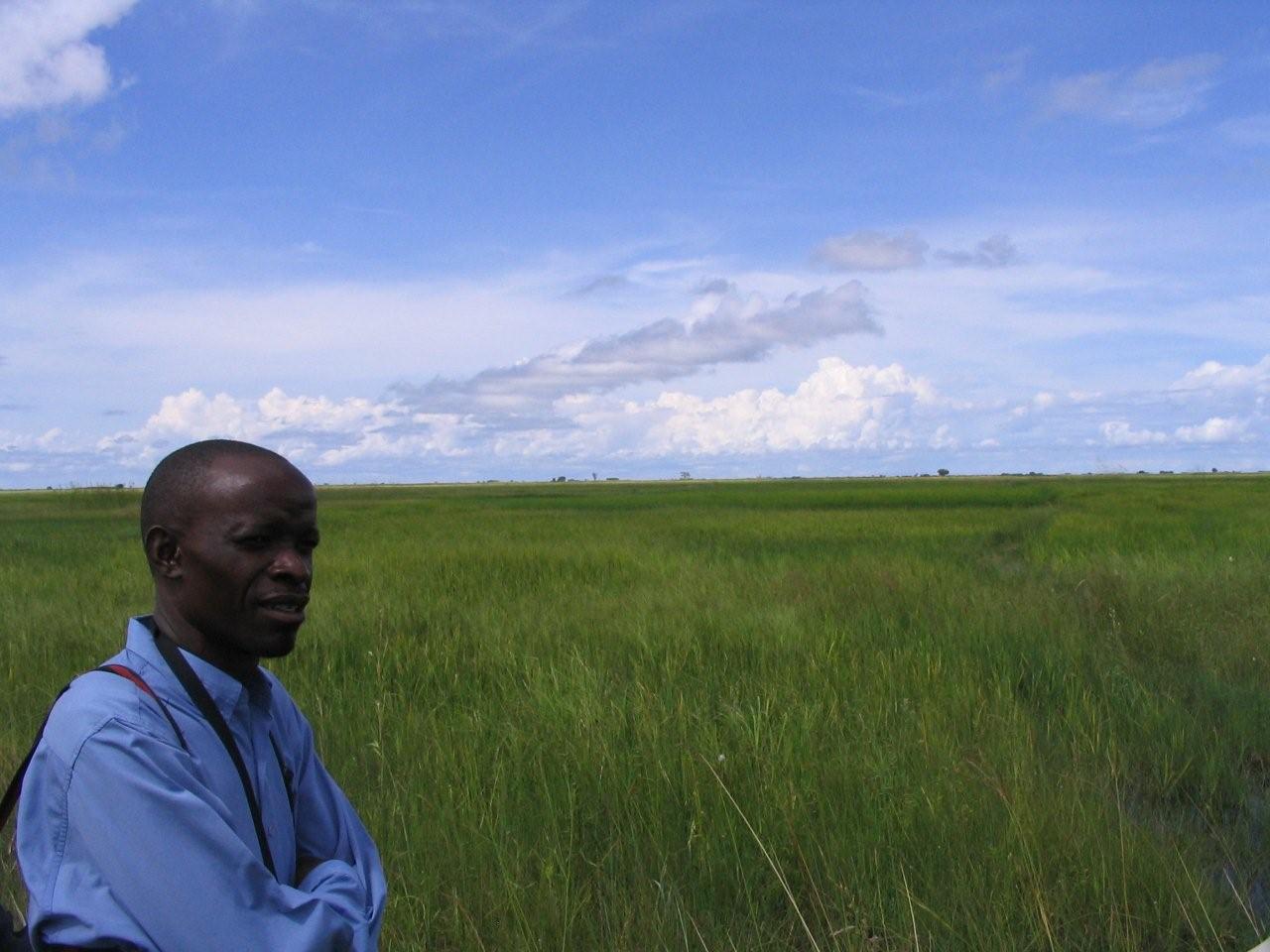
The plain as seen from the office.

We have a client that was determined to plant rice in the plain this year, even though things went badly last year. One of our goals is to visit the places where our funding is invested to see for ourselves that is was properly invested and to give counsel/advice as needed. Now because this plot was so far away from the office and the office staff really did not want to go there, they waited until I came for a visit to make the trip. (Maybe that should have been my first clue.)

Our AW colleague in the plain.

We took the 4WD land cruiser with some bags (of I was not sure what) in the back and headed out toward the next town. Before leaving Mongu, we stopped and picked up the client from the local internet café. As we left, my Zambia colleague said, “There really isn’t enough space in the front for all of us so why don’t you drive?” (That should have been my second clue.) But hey, why not, so we took off.

Shortly after we arrived in the next town, the road ended (mainly because of disrepair) and we followed alongside it on a bed of sand that keeps washing down the hill with every heavy rain. As we arrived at the bottom of the hill, there was a 50 foot wide stream with oxen and cart being led through. “Straight ahead” the client said. (That should have been my third clue.)

On the other side of the stream was a sandy path, that stretched out into the plain. We followed it as it went in and out of flooded areas. Just keep this baby moving I thought to myself and we should be ok. At one point the water was so deep we were pushing water with the grill. But for the most part, the soil under the water seemed to be sandy and not clay. On occasion when I tried to drive out of the path on the grass, the soil provided less traction and seemed to bog us down. (That should have been my fourth clue)

We had been driving for about 40 minutes when the client finally said, “We are almost there. We need to look for a small path just after this clump of bushes.” So as we rounded the bush, I turned right and off the barely visible track. We were headed for a plowed field with some standing water and I could quickly tell we should not have turned at that particular bush. As I turned left to get back to the track, we encountered more water and just a few feet later our momentum began to slow. Because we were only a few feet from the original track I tried to get back to it, but (you guessed it) down went the front right tire into the soft clay soil. (It was 9:30 a.m.)

Now what? My colleague took off his shoes, rolled up his slacks and jumped out into the ankle deep water. He grabbed one of the bags from the truck and started pulling out some dry grass. Stuffing it behind each of the wheels, he said “Now try it”. No, luck the tire just went deeper. I climbed out to the bed of the truck and suggested they get some help to push this thing out. There was an older gentleman who came up and said he would get some men from the village about 2 kilometers back. We waited an hour and he showed up with an axe and 4 women, two were tiny things with babies on their backs. (That was not just a clue, but a big red flag. This was not going to work!)

They chopped some sticks and tried to put them under each wheel. Then we tried to back it out. Before you know it, the front tire was now spinning freely. The car was down on its frame and the only thing that would get us out would be several span of oxen or a tractor. When I told my colleague, he got on the cell phone and between the sentences of Silozi, I heard the English phrase, …”what we feared most”… We were stuck miles from the nearest tractor. Call a tractor I said, and make sure they bring a strong chain. This truck is heavy.

They had located a tractor and now just needed to find fuel. No fuel in the last town, so it could be a while. (It was 10:30 a.m.) In the meantime, we decided to walk to the field which was just 300 meters away through the water. Taking off shoes and socks, then rolling up the pant legs, off we went. We walked along the edge of the field, talked a while, then went back to the truck. (It was 11:30.) We waited an hour, then called. No, the tractor had not left yet. Call someone else. I took a nap. The news at 1 pm was the tractor and office driver were to meet at the fuel station at 2 pm to fuel the tractor. Hmm, by this point I was thinking we might get home by dark.

Sure enough, for the next 4 hours I watched a few birds, (3 raptor species, song birds, egrets and others) and we waited. No drinking water, no food and nowhere to go. Around 4:30 pm my colleague said, “Am I dreaming or do I hear the sound of a tractor?” Sure enough, off in the distance we saw a tractor moving slowly along. As it came closer, we could pick out about 8 people riding on it.

As the tractor turned around and backed up to the truck, they pulled out an old 30 ft piece of 1 inch rope that was frayed, rotten and down to 2 strands in some places. (Another big red flag! No chain? That would be too easy.) Three guys grabbed it, measured out 3 equal lengths and wound it up into a big French braid, then twisted in a ¾ inch nylon rope. Well maybe. At the first pull, the French braid snapped like a wet noodle. Hmm, now we only have about 15 feet of bad rope left. Not to be discouraged, the driver backed up to the truck and they doubled the remaining rope and this time it held and between the tractor, the guys pushing and the truck’s own power, we got to terra firma. (It was 5 p.m.)

Now to get back through the plain and onto high ground. This time I stayed on the track, no matter how deep the water. By 6 we were on tar roads and in the office by 6:30 p.m. From a productive perspective it was a lost day. My take was: I understood the challenges of working in the river flood plain environment a bit better, could sympathize with the challenges of distance and terrain, plus had a few new ideas on how to improve the productivity of the rice and a slight sunburn.

As we covered the last stretch toward home, my colleague said, “Now you know why I don’t like driving in the plain. Give me sandy soil any day, but when you can’t see what is under the water, I let someone else drive.” Really the driving was not so bad, it was the advice to “turn here”. Sitting there in the middle of nowhere, there was no one to be mad at. I was only reminded of the young wife who had gotten pregnant before she wanted to and when asked if the baby was planned said, “I got some bad advice and I took it. Not much we can do about it now.”

Monday, February 15, 2010

Zambia

We’ve made it to Zambia in fine shape. Our flights were fine and we spent the night in Lusaka. The next morning I thought we were just taking a short ride to the bus station but it ended up being ½ hr through lots of traffic. Lusaka’s roads need to be widened to accommodate all the new cars and people streaming in to find jobs and opportunities. Apparently everyone wants to be in Lusaka and once there, everyone needs to go to the “city centre” which is where all the offices and shopping centers are found. I guess that’s the British way of doing things with residential areas outside of the city. It feels very different than Maputo – no sea for one thing, and it feels like an oversized town. The market place looks like a shanty town with lean-to’s covered in plastic and muddy roads in between. Garbage is everywhere, but of course parts of Maputo are not much different on that count. It just feels much less cosmopolitan. Perhaps I shouldn’t be comparing the two, but they are very different. I think when tourists come to Zambia they go to Victoria Falls or the game parks.

We were on the bus from 8:30 a.m. until almost 5 p.m. It’s a long ways to Western Province. It is a Christian bus company and they had Christian music playing the whole time. Most of it was African style and languages but every now and then I would pick out Yahweh or Yesu Christo. I guess they used to have a preacher also that would speak for awhile before leaving, but they skipped him this time.

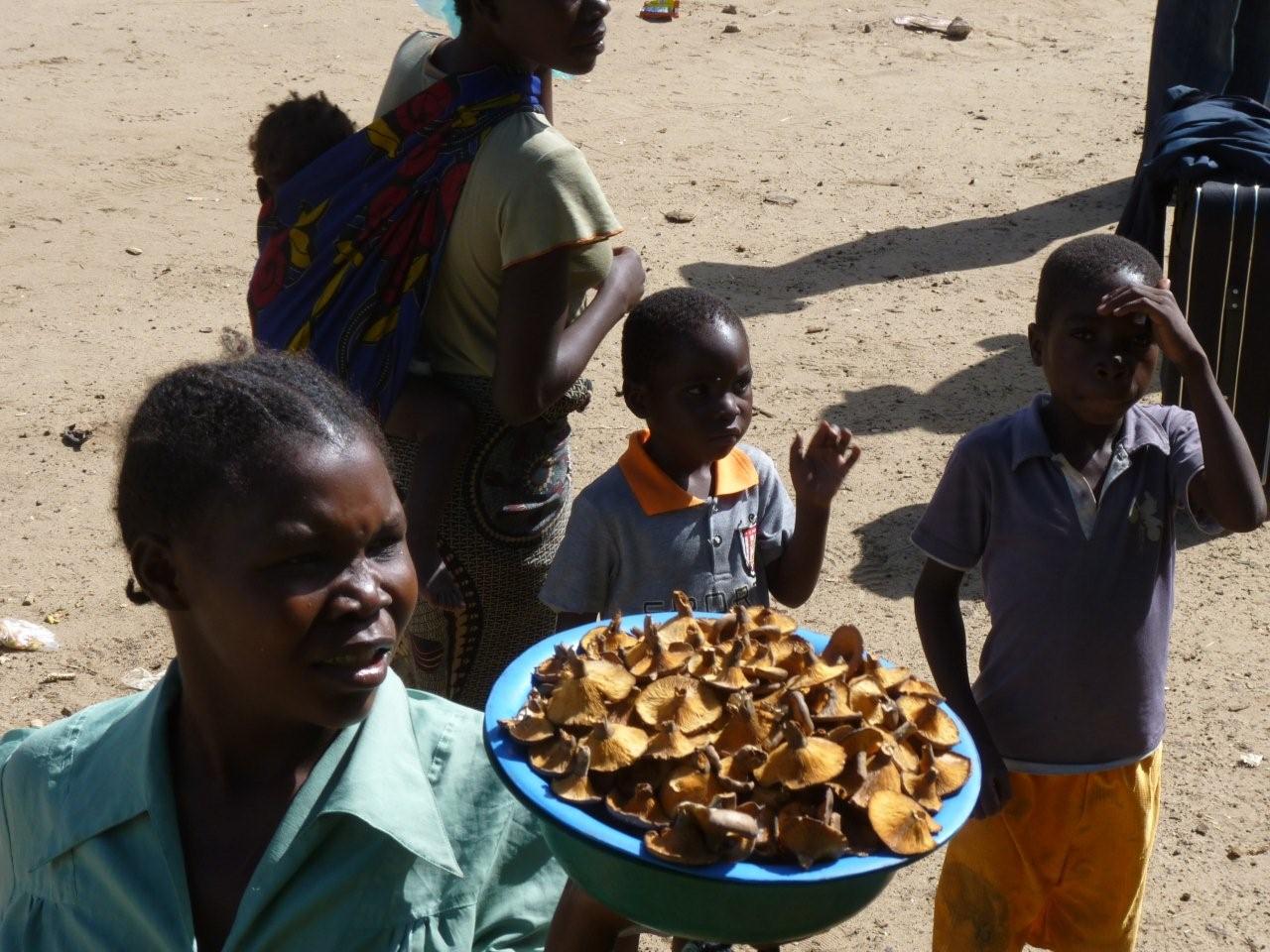
Seen along the way. Does anyone know what kind of mushrooms these are?


The program director picked us up, took us to our hotel and out to eat. We’re realizing that restaurant food for 18 days probably won’t work. Besides the costs that are going up, there are few fruits and many times the greens are quite salty and oily. They mostly major on meat and nshima or rice. A typical breakfast consists of eggs fried in lots of oil, white sliced bread, tomatoes, baked beans, sausage/bacon, sweet juice similar to kool-aid. We’re planning to make muesli for breakfast in our room and go with that.

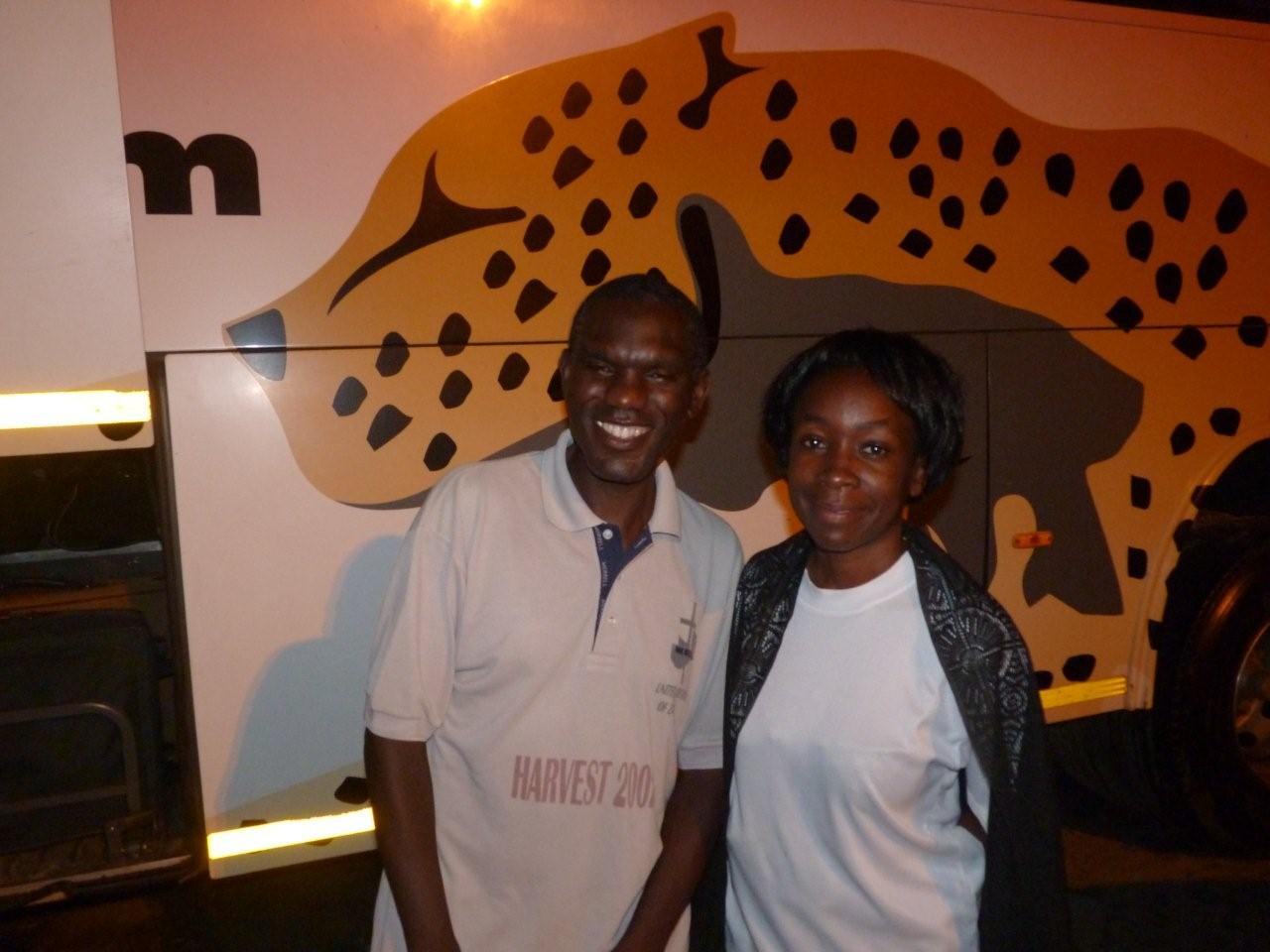
The director and his wife in front of our bus. We enjoyed meals and fellowship with them many times.


Steve is here for his quarterly visit to the program he helped start and supervises. While we're here we will also do two "The Question" seminars plus one Level 1 Seminar for Ancient Paths. We finished the first one last weekend and it was well received. For those of you who are wondering, the questions are basically "Who am I?" and "Why am I here?" We will also do a LifeWinds training for three days on grassroots community development and CHE (Community Health Evangelism). In between we're doing our regular work and absorbing Zambian culture. Many things are similar to Mozambique but some are different. The greeting is a hand clap, handshake accompanied by a slight bend at the knees and then another hand clap. I'm also getting used to being called "Madam." Many people here speak English but sometimes we have trouble understanding each other's accents. Many people only speak Losi, the local language.

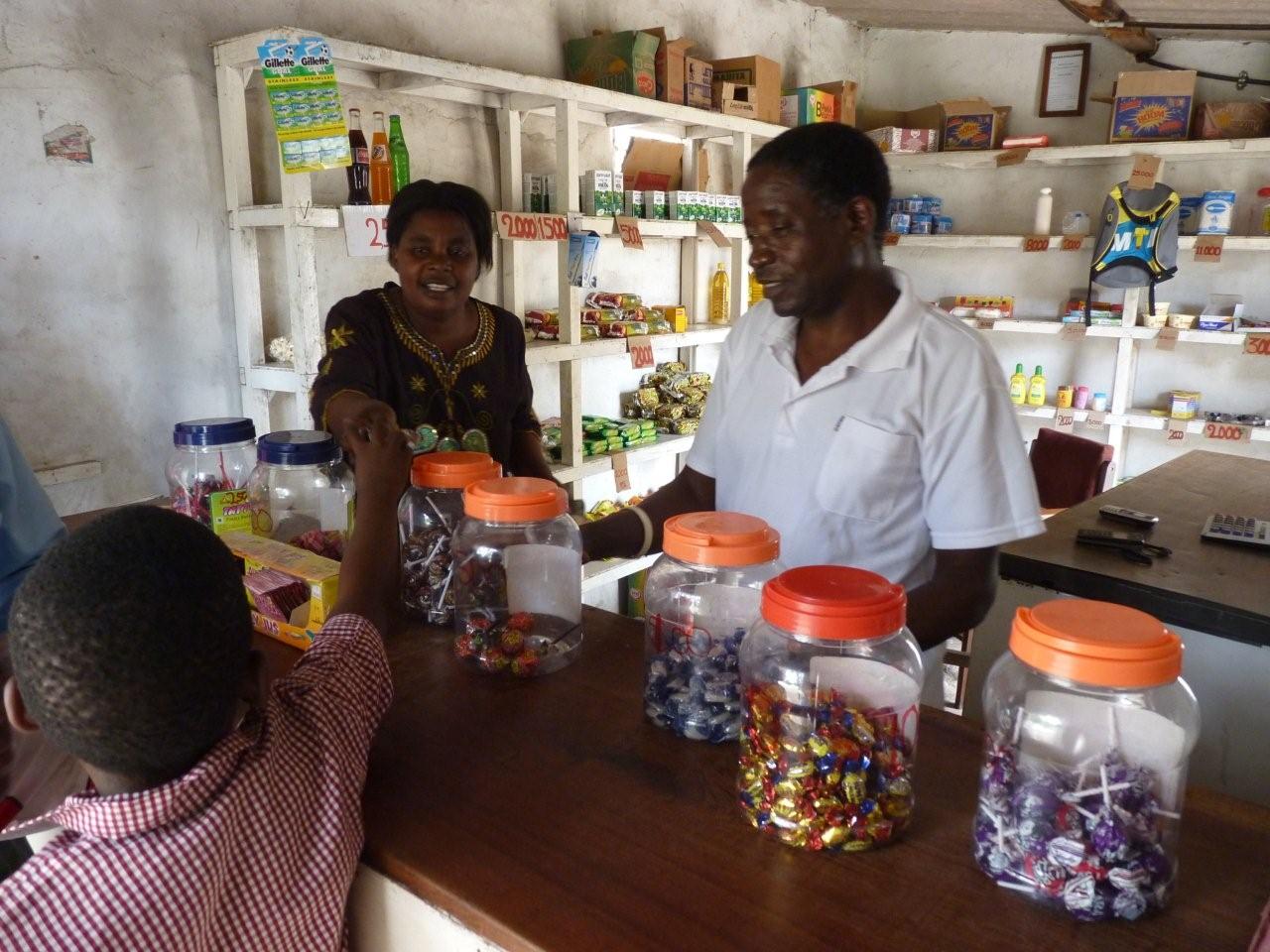
Today we took a tour of some of the projects. One man has a house with laying hens and he has done very well with them. My quotable quote of the day came from him: "Poverty is not a lack of money, it is a lack of dreams." So true and he articulated it well.

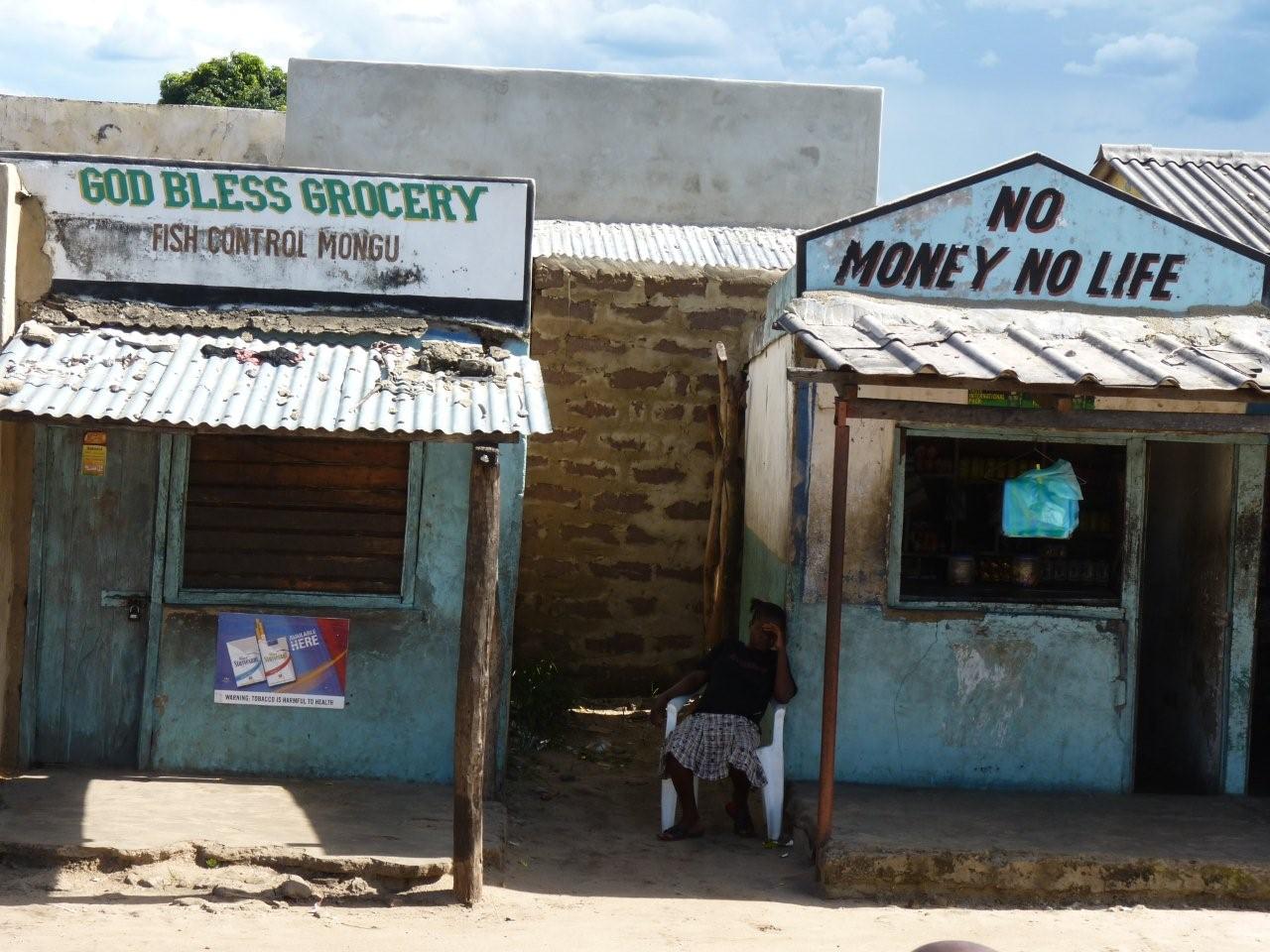
During the day he runs a small shop. Reminded me of the candy store I used to frequent as a child.

Another phrase I've heard is "I can be broke but not be poor" if you're temporarily out of money but have vision and dreams/plans of ways to get some. Poverty is just as much a mindset as it is a lack of resources. We are trying to change this mindset by the trainings we do and the way we set up programs. Giving handouts does not change the mentality, we must provide ways to earn money with dignity and we must teach them to dream (with a business plan attached to the dream.

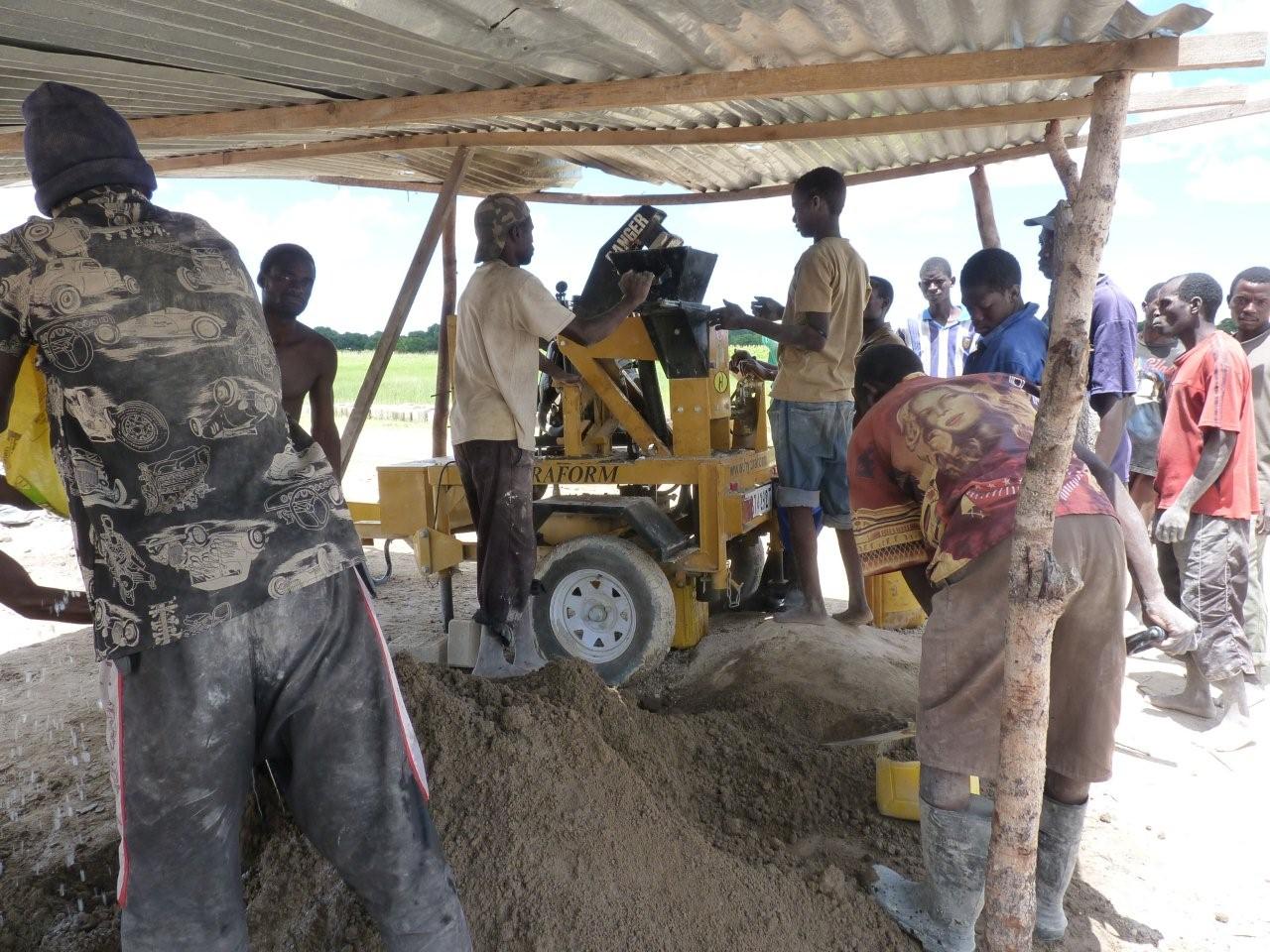
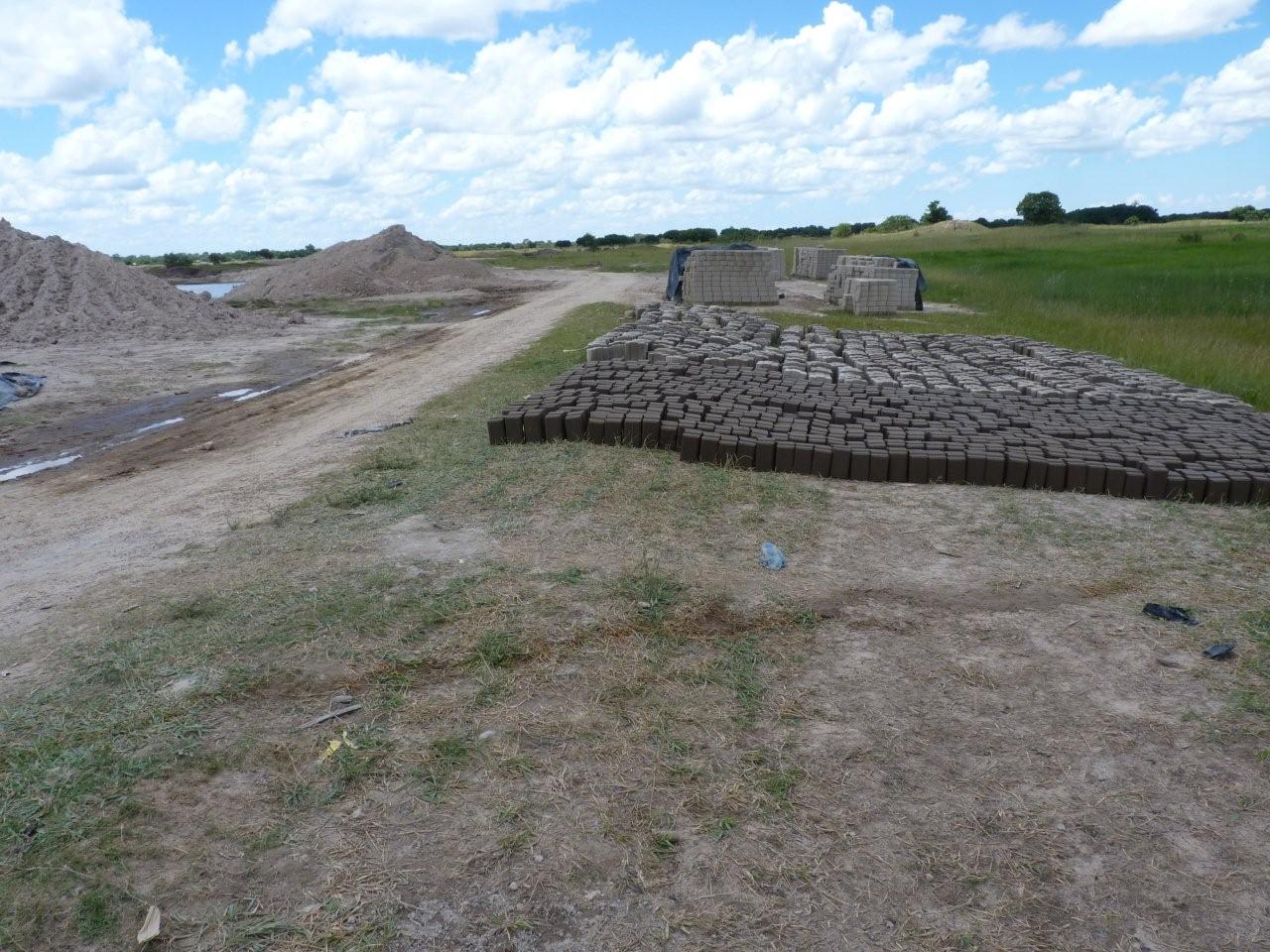
This community is adding on to their school. They are making bricks with a Hydroform machine.


They have a good start but there is a ways to go. I suppose that's a good way to say it for many of the projects - the microfinance, jatropha trees, irrigated agriculture, feed mill, poultry project and the rest. There are many challenges, but we have made a good start and are all learning a lot along the way.

Thursday, January 28, 2010

Maputo Roads

Many times when you go to a developing country you expect to find bad roads. Most place you won’t be disappointed. We recently heard of a South African family who brought their parents to visit. When they hit a particularly bad stretch of road, the granddad said, “You know the map says there is a national highway that cuts through about here. Why don’t we try to get on that?” The hosts replied, “This is the national highway. This is as good as it gets!”

Within the city of Maputo, there used to be a joke during the civil war era (that lasted 17 years) that went, “How do you tell a drunk driver in Maputo?” The answer was, “He drives in a straight line.” For those of you who have not been in Maputo and experienced some of the roads, this was funny because some of the streets have potholes big enough to lose a car. You have to swerve to keep your car from being destroyed.

A second problem and more of a challenge is the growing number of cars in Maputo. One person told me that in 1987 during the height of the shortages during the war, they walked the streets for 4 hours and only saw 2 cars operating. Today is a different story with tens if not 100’s of thousands of cars streaming into Maputo daily and streets parked so full that often you can only get one car through (especially if there is one car parked badly or double parked and there often is).

In the last year we have seen a glimmer of hope. One of the most crowded streets that had a space designed for putting in a four lane road was suddenly showing signs of being worked on. We looked on in amazement as they began pulling down illegally built shacks and houses that had been build in the right of way. The work progressed slowly to the extent that even after the national elections (now you know what really initiated the project) the road was not finished. Some black top was in place, but many of the details for making the road usable and safe were missing.

When we left town after Christmas to escape the city for a few days, we wondered aloud how long it might still take to finish the job. Probably another couple of months we thought. Surprise, surprise, when we returned 5 days later, the new section of road was open! Is used to take 10-20 minutes to navigate this section of road during the day, sometimes it seemed longer. Engines idling, people driving dangerously to jump the line and constant risk in the intersection with little obedience for the light timing. Now you can get through in one or two light cycles. Amazing. Never mind they are not quite done with the details and there are still workers risking their lives trying to finish the job.


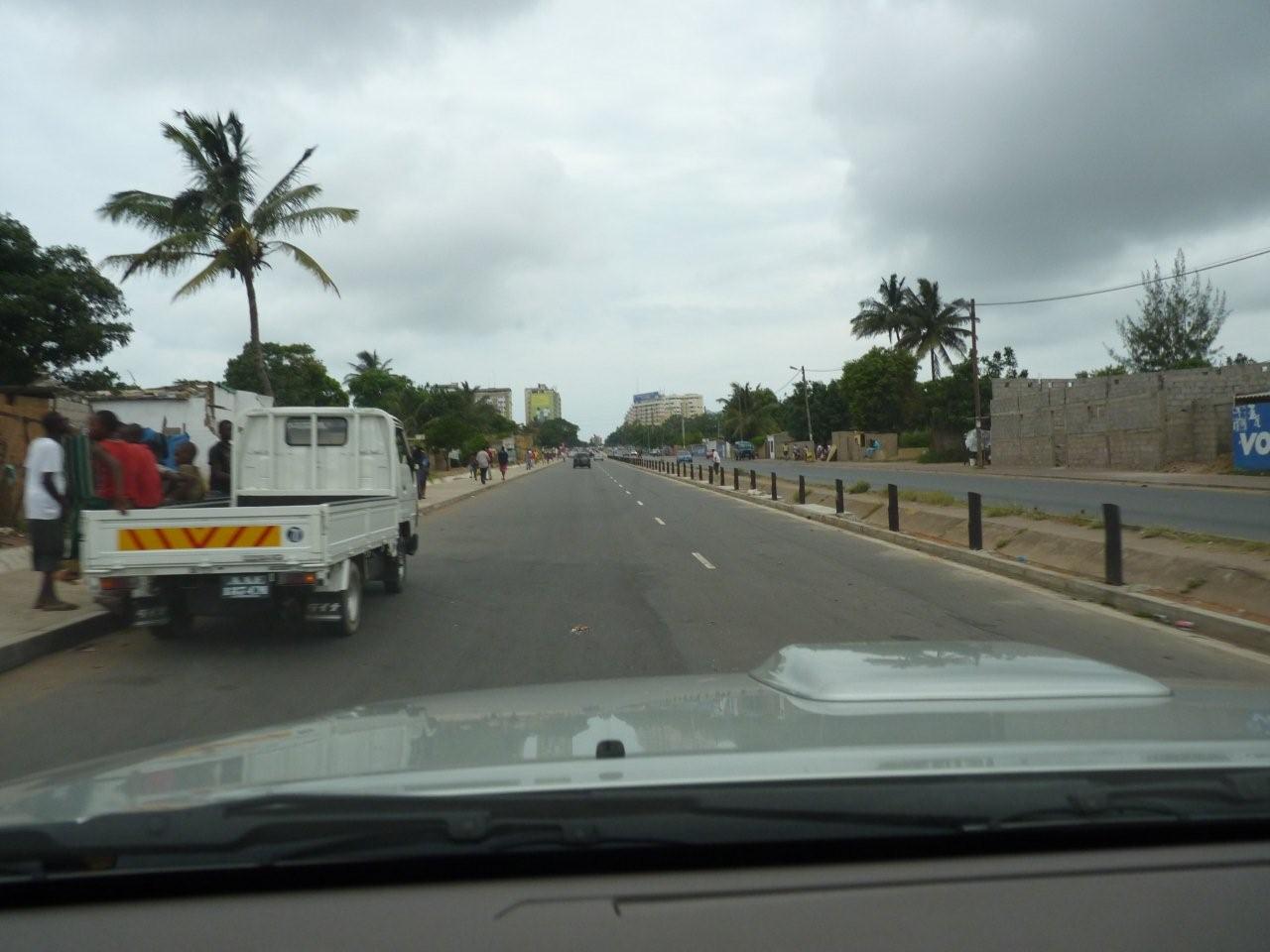
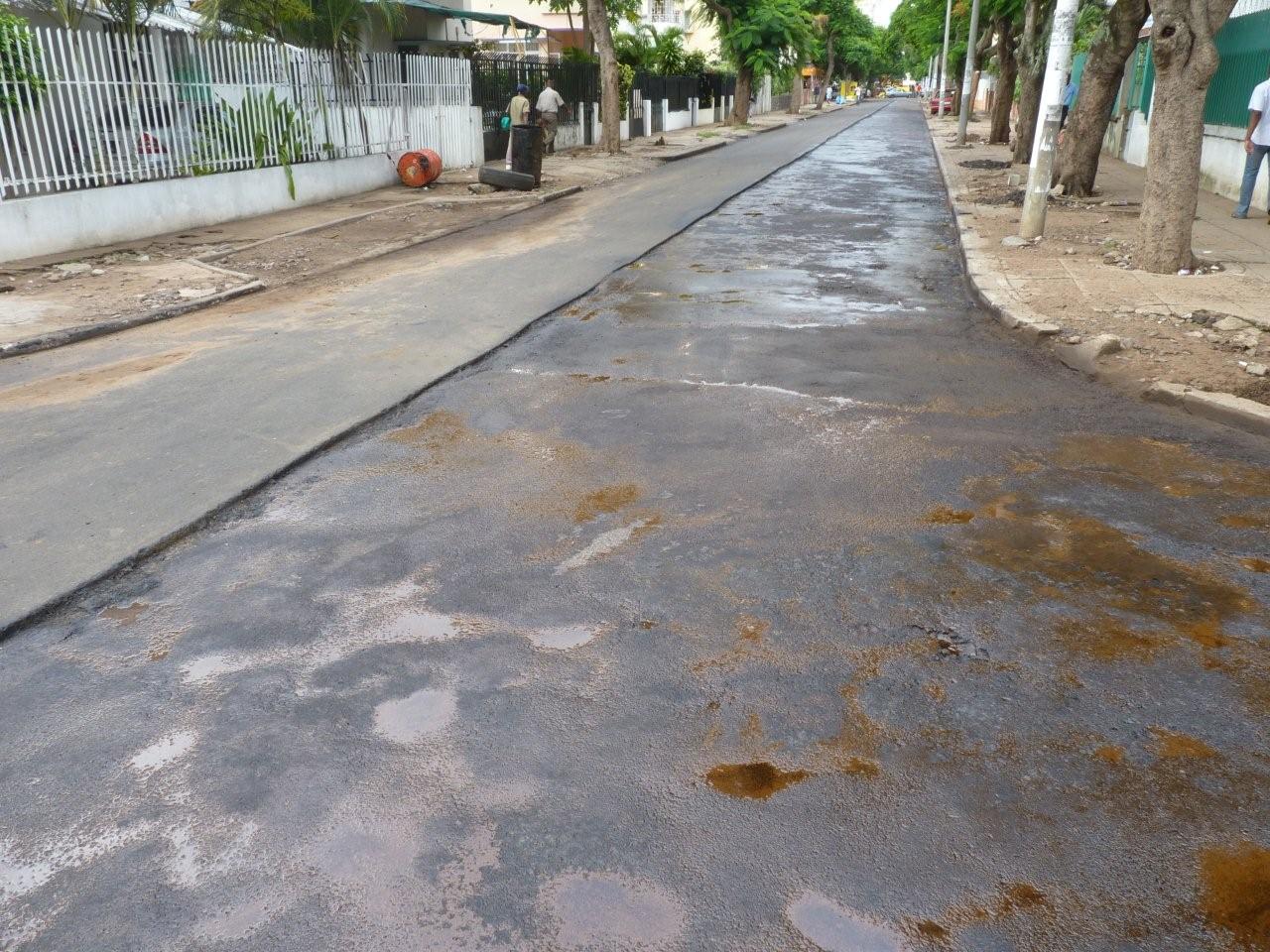
A second miracle is the side streets. On the whole, you still drive straight on these. One day, they blocked off the street near our house and started filling in the holes. I tended to avoid this street if jogging because it was so bad I needed to run on the sidewalk or risk twisting an ankle. (But the sidewalk was not much better.) When done, there was more new asphalt than old in spots, so you know it needed repair.


I was joking with someone who has lived here for twenty years and he said, Hey, this is the first time since independence (1975) that those roads have been repaired. He was not joking. Then he said he had heard they were going to patch the roads first, then put a complete new layer of pavement. I told him, I would only believe that when I see it. Well, you can see it in the photo. Now the only problem is the street is so smooth, the crazies will try to drive 45 MPH on these new roads! Some things never change.